

Author: Mr Atul Chandra, Research Scholar, Unni Kartha Chair of Excellence
Keywords: IAF, HAL, HT-2, HPT-32, HTT-34, HTT-40, Basic Trainer
Introduction
The Indian Air Force (IAF) has a proud legacy of undertaking basic flight training in South India. IAF air bases and training establishments located in the region have made it the ‘cradle’ of military flight training in India. Since Independence, the IAF’s requirements for basic trainer aircraft have also aided in the growth of aeronautical manufacturing in Southern India. Since 1948, a total of three indigenous basic trainer aircraft, the HT-2, HPT-32 and more recently, the HTT-40, have been developed and manufactured in India. While the latter two basic trainers were vitally important in the growth of India’s nascent domestic aeronautical design and development capability, the completion of design and development of the HTT-40 signals the maturity of the nation’s domestic aerospace and defence ecosystem, which is today producing fighter aircraft, trainer aircraft, utility and attack helicopters. The first HTT-40 is slated to be delivered to the IAF this September
As we strive towards the goal of ‘Atmanirbhar Bharat’ and self-sufficiency in defence production, it is important to note that the IAF has driven the growth of India’s aeronautical industry since 1948 and will continue to do so.
This is part one of a three-part series on indigenously developed basic trainers for the Indian Air Force.
PART 1
Early Days
Hindustan Aeronautics Limited (HAL) as we know it today was originally registered by Seth Walchand Hirachand as Hindustan Aircraft Limited under the Mysore Companies Act on December 23, 1940. The work on India’s first aircraft factory formally commenced on January 12, 1941, when the foundation stone was laid for HAL’s Bangalore factory. The fledgling Hindustan Aircraft Limited assembled its first aircraft, a Harlow trainer, which flew within eight months of the company’s registration. The first local orders for aircraft production in India were awarded to HAL for assembly under license of 20 Harlow PC-5 trainers, 48 Curtiss 75A-SP Hawk fighters and 74 Vultee V-12-D attack bombers, to aid the WW II effort. [1]
By December 1942, control of Hindustan Aircraft was ceded to the United States (US) Tenth Air Force for the duration of World War II. [2] Following the end of World War II, the control of Hindustan Aircraft reverted to the Government of India in December 1945. [3] Bangalore was selected over Barrackpore and Poona to be the hub of aircraft manufacture in post-Independence India, as it was only at Hindustan Aircraft’s factories that the whole process of building an aircraft from semi-finished material had been undertaken, prior to Independence. [4]
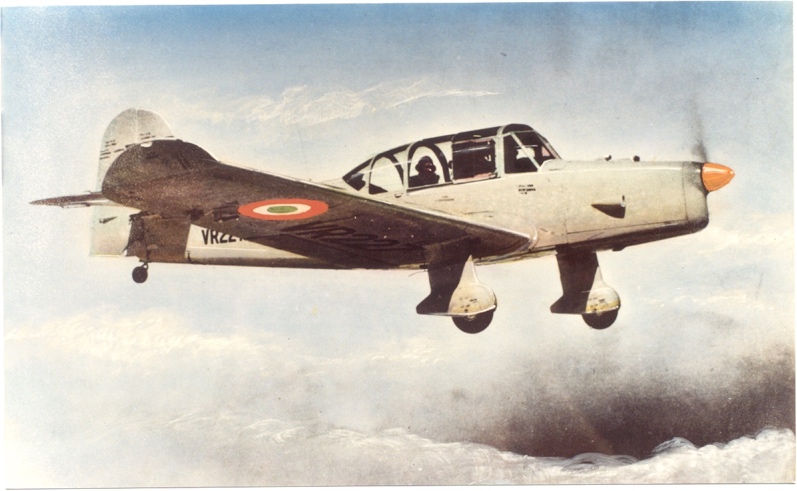
Importantly, post-Independence, HAL immediately began the overhaul and reconstruction of approximately 150 Tiger Moth basic trainers and wartime residual Harvard advanced trainers. [5] This was crucial in allowing the IAF to begin elementary flying training immediately after Independence. HAL’s first license-produced aircraft after Independence was also a trainer aircraft, the Percival P.40 Prentice. The Prentice was developed to meet the Royal Air Force’s (RAF) requirement for a basic trainer aircraft to replace the Tiger Moth. A total of 375 units of this type were delivered to the RAF, with Argentina, India, and Lebanon being its other customers. [6] The Prentice was the RAF’s first side-by-side trainer and was also unique in that a second student could be accommodated in the rear cockpit to observe the instructor and student pilot in front!
To meet the IAF’s urgent need for a basic trainer aircraft, HAL produced sixty-five P.40 Prentice under license in just over a year. [7] The first Indian assembled Prentice made its maiden flight with HAL’s CTP Capt Jimmy Munshi at the controls on April 30, 1948. [8]
Note: Hindustan Aeronautics Limited (HAL) was formed on October 1, 1964, as the amalgamation of two companies, i.e. Hindustan Aircraft Limited and Aeronautics India Limited (created for license-production of the MiG-21 aircraft under license).
Credit: Hindustan Aeronautics Limited (HAL).
On a Wing and a Prayer
During 1947-48, discussions were held on the type of aircraft that would be designed for the first time in India. The IAF requirement for a basic trainer aircraft was accepted, and the Government of India sanctioned the development of such a type on October 11, 1948, which would also be used by flying clubs. It is interesting to note that the original plans called for three indigenous trainer aircraft types to be developed: the Hindustan Trainer 2 (HT-2) primary trainer, HT-10 advanced trainer, and HT-11 intermediate trainer. [9] However, the latter two never progressed beyond the mockup stage.
Credit: Hindustan Aeronautics Limited (HAL).
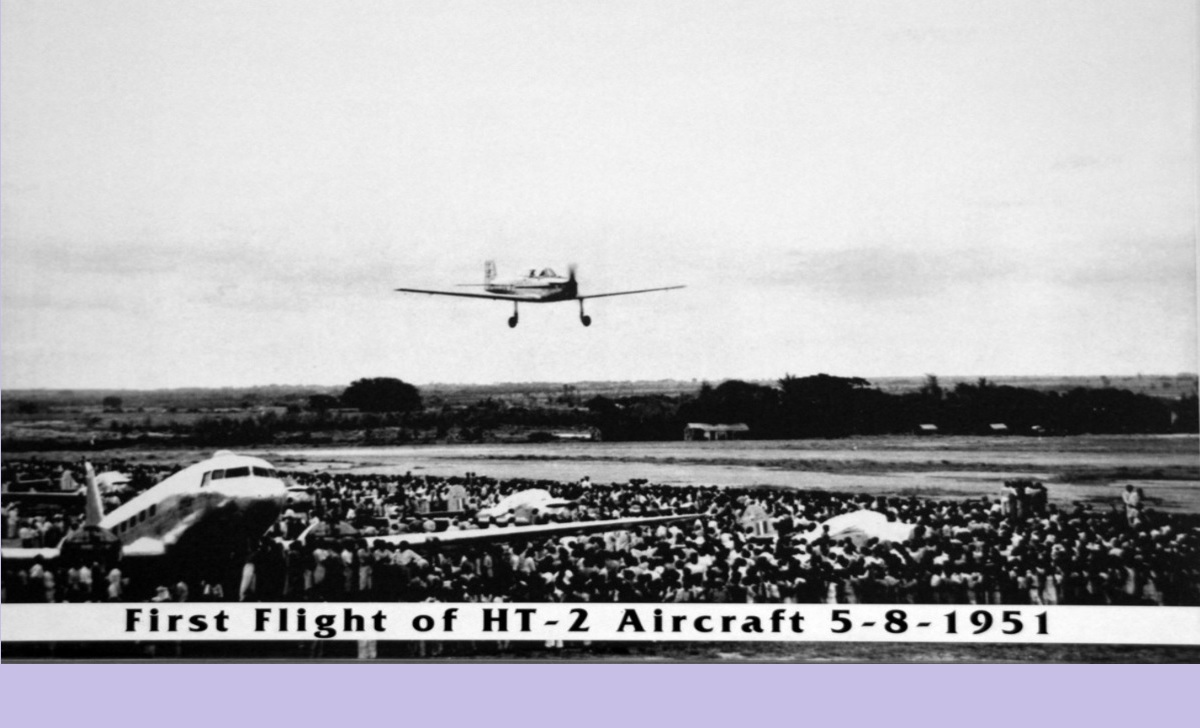
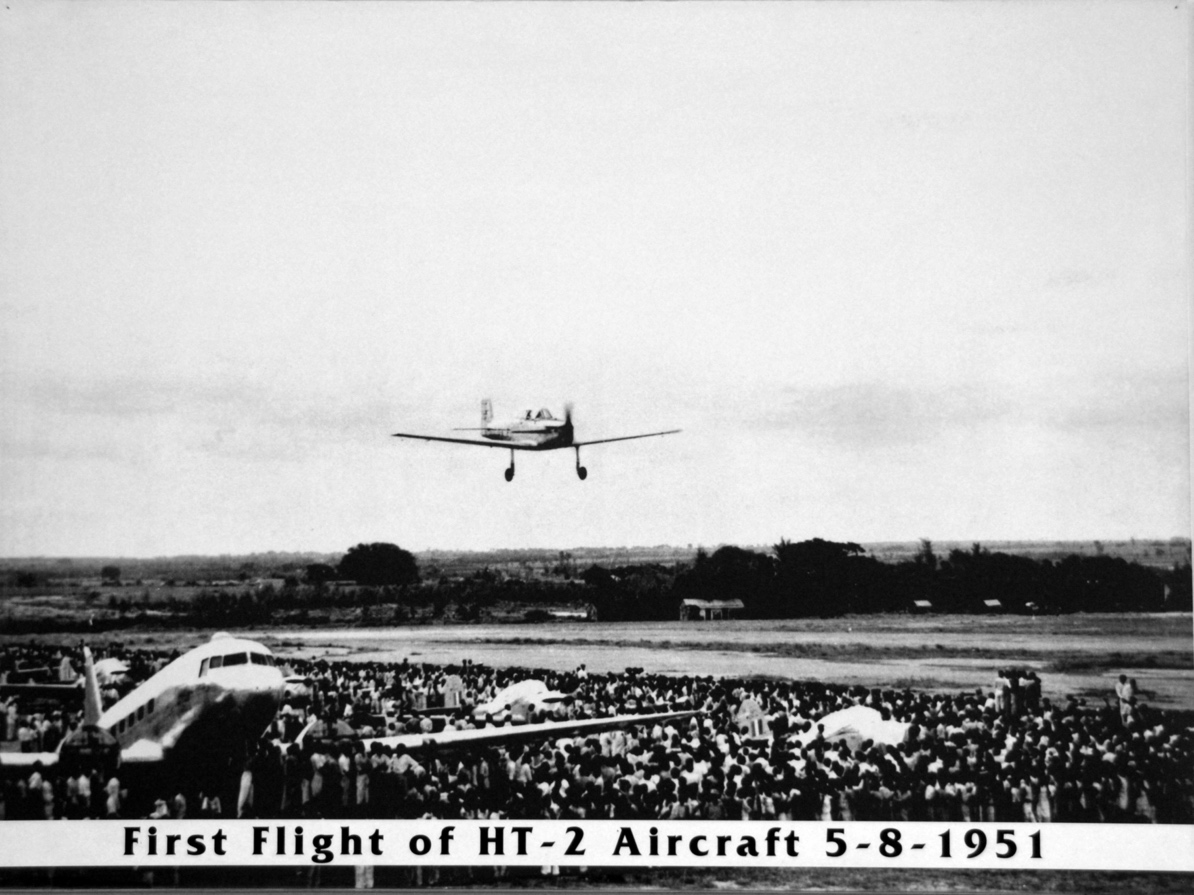
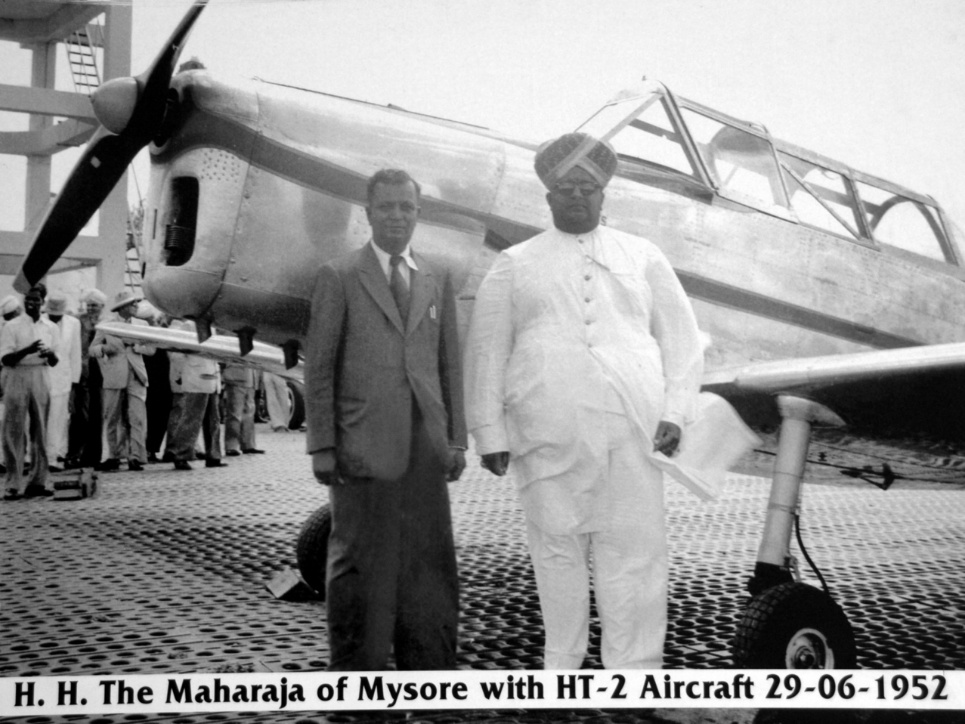
In any event, work proceeded swiftly on the HT-2 and its full-scale mockup was ready by August 1949, less than a year from programme sanction. The first HT-2 prototype (VT-DFW) made its maiden flight on August 5, 1951, and the second prototype (VT-DCG) took to the air for the first time on February 19, 1952. In a landmark moment for Indian aviation, the HT-2 received its Type Certificate on January 3, 1953, and was formally inducted into the IAF on January 10, 1955. [10]
The HT-2 replaced the long-serving Tiger Moth and initially operated alongside the Prentice.
Credit: Hindustan Aeronautics Limited (HAL).
In 1955, the indigenous trainer type was inducted into the Flight Instructors School at Tambaram and No.2 Air Force Academy, Begumpet, with pupils logging 40 hours on the aircraft before proceeding to the Harvard. The HT-2 was used to train cadets of No. 68 Pilot Instruction Course in 1955, and by the time of the 72nd Course, the indigenous trainer had replaced the Prentice entirely. [11]
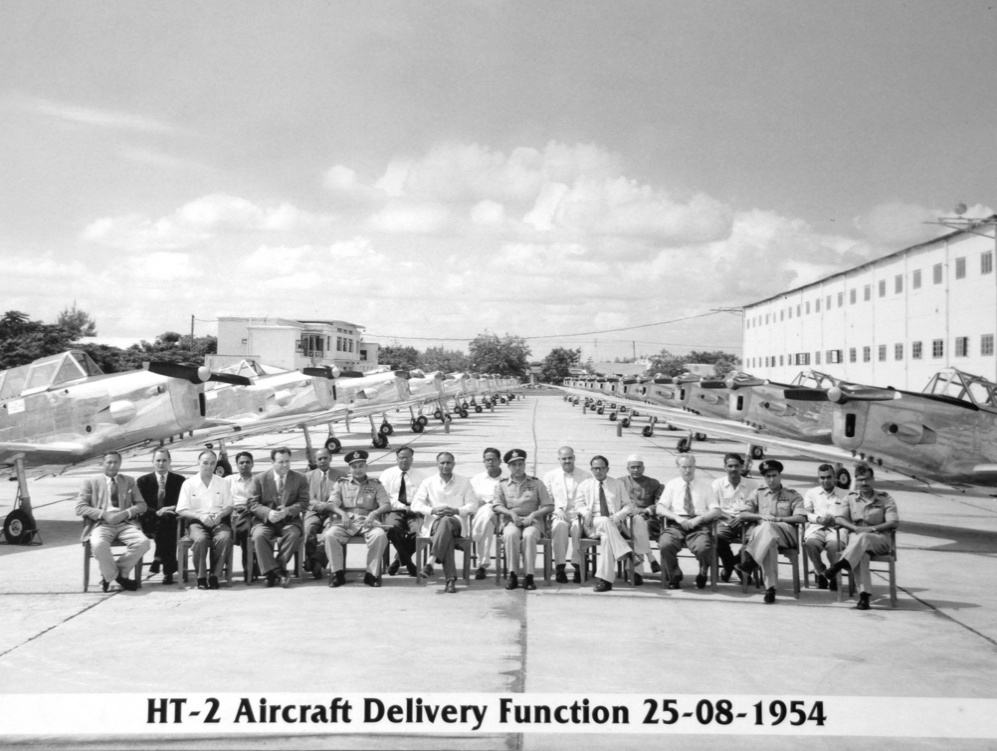
Credit: Hindustan Aeronautics Limited (HAL).
An all-metal piston-engine basic trainer, the HT-2 was powered by a 155-HP Cirrus Major III four-cylinder air-cooled piston engine with a two-blade fixed-pitch propeller. It could attain a maximum speed of 209 kmph. It had a range of 560 km and a service ceiling of 14,500 feet. Flight endurance was just under four hours.
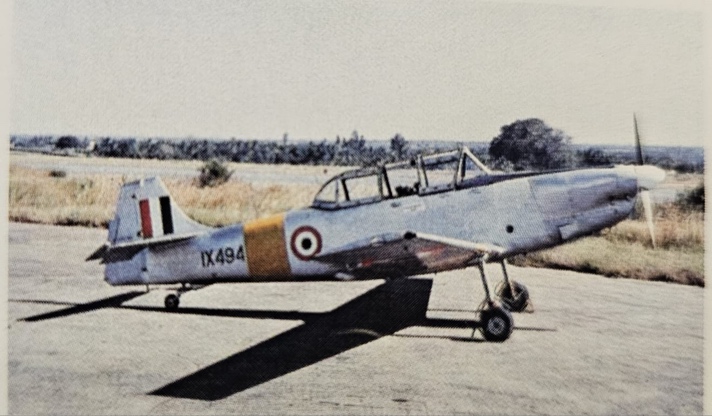
Credit: ‘Riding the Wind’, Wing Commander P Ashoka
In his autobiography ‘Riding the Wind’, Wing Commander P Ashoka provides an insight into the HT-2. “It was a tail wheel aircraft, requiring just that much greater attention during take-off and landing. It had conventional manual flight controls and an elevator trim tab. The controls were well harmonised and pleasant to feel. Though quite underpowered, it was still a fully aerobatic machine.” [12]
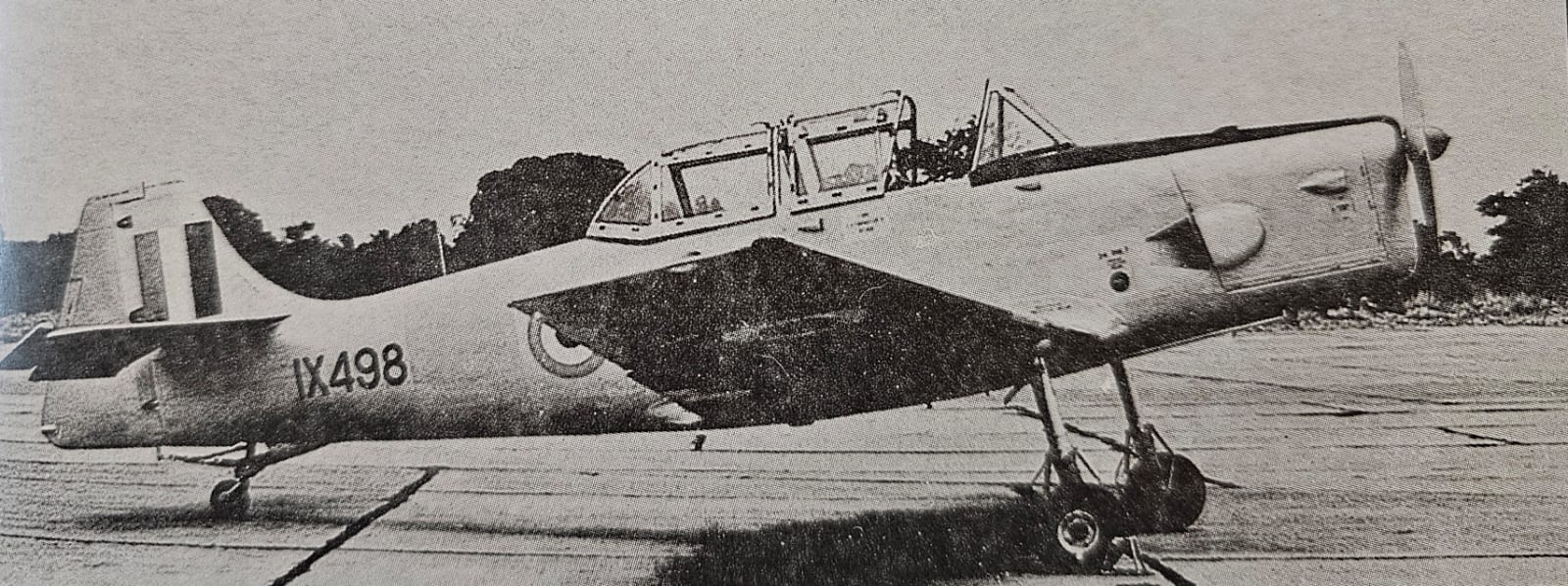
The HT-2 also served with the Indian Navy for a short period, less than a decade, during which three aircraft were operated for ab-initio flying training. The Navy’s first Fleet Requirement Unit (FRU) was commissioned on May 11, 1953, at Venduruthy II, Kochi and recommissioned as INAS 550 on June 15, 1959. The HT-2 was inducted into the FRU in October 1956 and phased out of service by 1964. [13] HAL ceased production of the HT-2 in 1958 after manufacturing approximately 166 aircraft, out of which 150 were delivered to the air force.
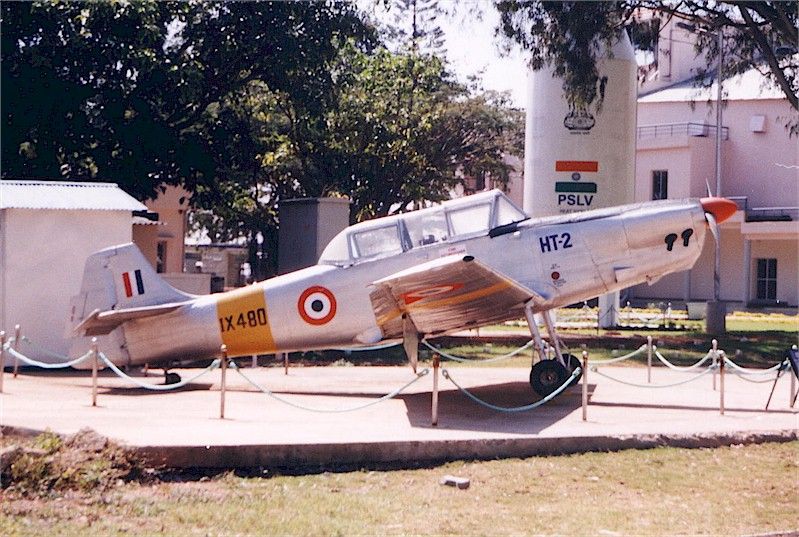
The HT-2 was later also re-engined in the mid-eighties with the Avco Lycoming AEIO-320-D2B engine, receiving the designation HT-2L. Limited numbers of HT-2s were re-engined and operated by the Flying Instructor’s School (FIS) at AFS Tambaram. [14] The last of the HT-2s were finally retired from service in 1989. According to one estimate, over 5,500 air force, army and navy pilots trained on the HT-2. [15]
In the final analysis, the HT-2, as India’s first indigenous aircraft and one specifically designed for the IAF, can undoubtedly be considered a success. According to Hindustan Aeronautics Limited, a total of 169 HT-2s were produced. [16] The HT-2s with the IAF served the nation for 34 years and helped not only solidify the foundation of IAF flight training but also that of aircraft manufacturing in India.
Overseas Sojourn
The HT-2 was also the first Indian designed and developed military aircraft to be exported. This was no small feat for newly independent India, and it remains the only indigenously developed fixed-wing military aircraft exported by India. Ghana acquired 12 aircraft, which it operated from 1959 to 1974. The Air Force deputed Wing Commander LM Katre (later CAS and CMD, HAL) to convert a few Ghanaian instructors on the type. [17]
It is interesting to note, however, that at least two of the Ghanaian aircraft, following their retirement from service, made their way to South Africa and were later offered for sale as restoration projects.[18] The HT-2 also made it as far afield as Australia with two demonstrator aircraft (VT-DIJ and VT-DJQ/VH-AWL) flying in-country from 1957-1960. Two aircraft were also sent to Singapore and Indonesia.
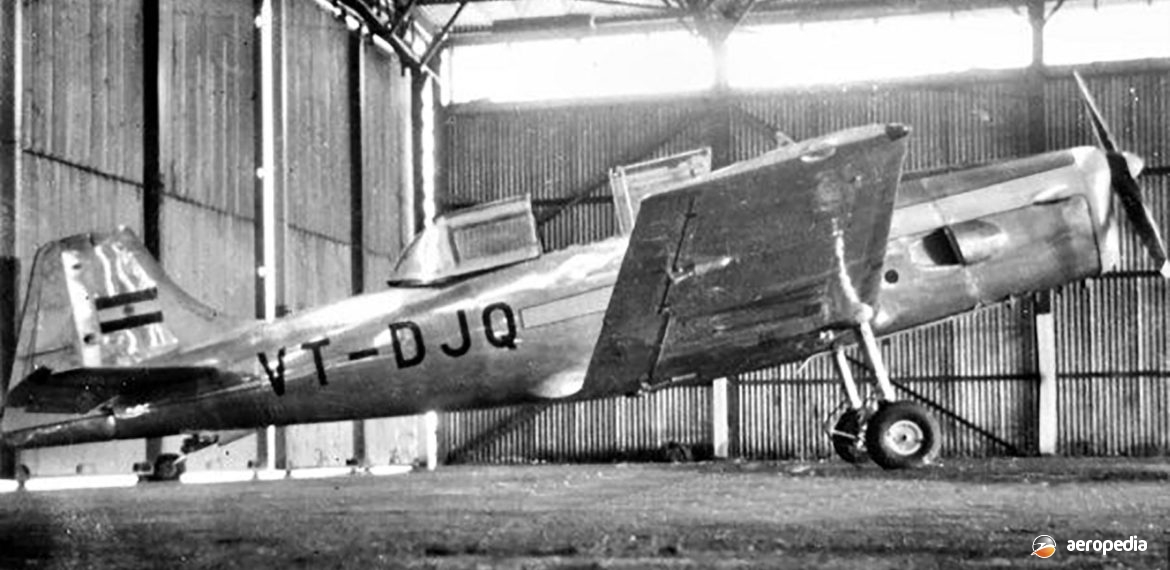
One of the HT-2s (VH-AWL) imported to Australia undertook a demonstration tour in June 1958, where the aircraft flown by Flt Lt Sunandan Roy, a HAL test pilot, demonstrated the type to the Royal Australian Air Force (RAAF) and several flying clubs in Sydney, New South Wales, Melbourne, Victoria, Adelaide, South Australia and Brisbane, Queensland. One of the aerobatic demonstrations involved an eight-turn spin followed by low-level cloverleaf loops, with steep turns and slow rolls in a reciprocal direction. [19]
However, during a demonstration in Brisbane that same year, an aircraft impacted the ground, sustaining extensive damage and injuring the pilot. The aircraft was returned to India, but by the time a replacement aircraft arrived in Australia and conducted a sales tour, Royal Air Force (RAF) surplus Chipmunks were available to aero clubs, and the HT-2 received no orders. This aircraft was later returned to India and did not receive an Australian registration. [10]
INTERVIEW: Air Commodore KA Muthanna (Retd).
Air Commodore KA Muthanna retired as Chief of Test Flying (Fixed Wing) at Hindustan Aeronautics Limited. He was commissioned into the Indian Air Force in June 1981.
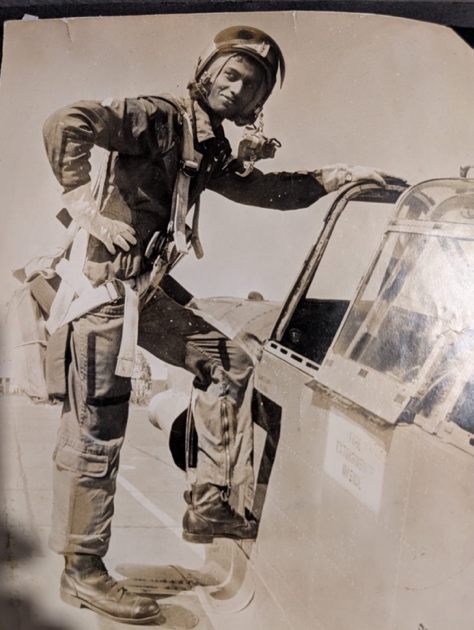
Credit: Air Commodore KA Muthanna (retd)
I passed out of NDA in 1980, and in the second half of that year. I was to fly the HT-2 as a cadet in the No. 127 Pilots Course. We were all wide-eyed at the sight of the first powered aircraft that we would fly. There was excitement, apprehension, and some of us felt overwhelmed. At that stage, we had no knowledge of how to pilot this aircraft, as we had never flown a powered aircraft before.
After passing out of NDA, we went to Bidar and did the Maintenance Conversion Flight (MCF) on the HT-2. This was basically where we did ground training on the HT-2. Thereafter, we went to Dundigal and conducted dual-check sorties, which involved around eight instruction sorties. The HT-2 was a tail-wheel aircraft, yeah, so the first impression you had while sitting in the cockpit was that only you could see the sky! We could not see anything in front of us. As a result, while taxying out on the runway, I had to weave around the centreline and look out from the side of the cockpit to see where I was going. Also, when taking off on the HT-2, you had to push the stick forward to raise the tail wheel, then pull it back for liftoff.
In total, I must have flown around 40 hours on the HT-2 during my six months of basic training. Our course was also the last, in which cadets would get to fly this aircraft solo. Somewhere halfway through our course, or not even halfway (at least, definitely after I went solo), we had a fatal accident. One of the cadets stalled the aircraft while turning onto finals and went into the ground. Due to this and their history with the type, they stopped cadets from flying solo on this aircraft, and thereafter they only flew something called Dolo, which meant having an instructor sitting quietly behind.
My instructor was not too happy with my landing on my first solo flight. On the HT-2, during the final approach, we had to perform a ‘round-off’. So, when we were about a foot or so off the runway, we had to drop the aircraft on the runway, so that it wouldn’t swing on landing, something the HT-2 was very prone to do. Hence, it was mandated that, when coming in for landing, if the pilot was not happy with his height at which he ‘rounded off’ (this is known as a flare in a jet aircraft), then he had to go around and attempt the landing again. What I did was open the throttle, let the aircraft descend a little more, then close it and land! My instructor was not happy!
Later, when I moved on to the Kiran Intermediate Jet Trainer as part of my training, I realised that the faster Kiran was easier to fly than the HT-2.
Interestingly, six years later, I got to fly the HT-2 again, this time while doing my trainee instructor course at the Flying Instructors School (FIS) in Tambaram. We had to fly both the HT-2 and the Kiran equally, and this time we had to fly the HT-2 from the rear cockpit. Now, since many of us had done fighter flying, we were walking with a swagger, but the HT-2 brought us back down to Mother Earth! Frontal visibility, which was always poor on the HT-2, was even worse when in the rear seat with another pilot in front of you!
I did another 20 hours on the HT-2 and never flew it again for the rest of my career. When you consider that the HT-2 was developed just a few years after the end of World War II, we can certainly consider it a good design and an aircraft that served the air force well and for a long time.
*****
CLICK TO VIEW THE PDF
Notes:
[1] Air Commodore Jasjit Singh, Indian Aircraft Industry (New Delhi: KW Publishers, 2011), p. 45.
[2] Ibid., p.52.
[3] Ibid., p.52.
[4] Ibid., p.52.
[5] Ibid., p.52.
[6] “Digital Archive,” International Bomber Command Centre Digital Archive, https://ibccdigitalarchive.lincoln.ac.uk/files/original/1371/23293/PThomasAF20080027.2.jpg. Accessed on August 18, 2025.
[7] Ibid., p.110.
[8] Ibid., p.110.
[9] Ibid., p.111.
[10] Ibid., p.114.
[11] Kapil Bhargava, “HT-2 – India’s First Powered Aircraft,” Bharat Rakshak, November 30, 1999, https://www.bharat-rakshak.com/iaf/aircraft/past/hal-ht2/. Accessed on June 22, 2025
[12] Wing Commander P Ashoka, Riding the Wind (New Delhi: Viji Books, 2011), p. 130.
[13] Indian Navy, “Dorniers,” https://indiannavy.gov.in/content/dorniers-2. Accessed on July 07, 2025.
[14] “HAL HT-2 [IX480],” Warbirds of India, November 25, 2008, https://www.warbirds.in/karnataka/bangalore/hal/hal-ht-2-ix480. Accessed on July 10, 2025.
[15] Vijay Seth, The Flying Machines of the Indian Air Force 1933–1999 (New Delhi: Seth Communications, 2000), p. 41.
[16] Author’s research visit to Hindustan Aeronautics Limited.
[17] Bharat Rakshak, n. 11.
[18] David C Eyere, “Hindustan HT-2,” Aeropedia, August 25, 2019, https://aeropedia.com.au/content/hindustan-ht-2/. Accessed on June 25, 2025.
[19] Ibid.
[20] Ibid.




 has a proud legacy of undertaking basic flight training in South India. IAF air bases and training establishments)
