Author: Arjun Prakash Iyer, Research Scholar, Unni Kartha Chair of Excellence
Keywords: Air Marshal AD Joshi, Indian Air Force, MiG-23BN, No.221 Squadron Valiants, N0.27 Squadron Flaming Arrows, Strategic Forces Command India
Introduction
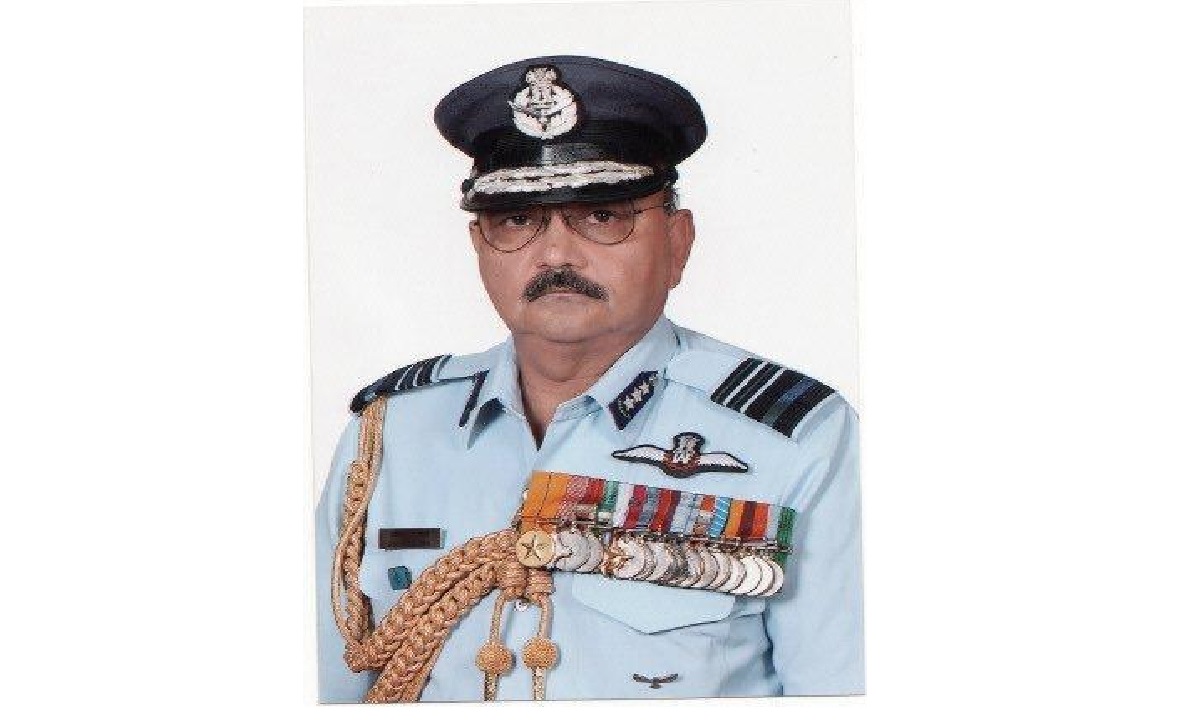
Air Marshal Avinash Deodatta Joshi, PVSM, VM (Retd) (December 20, 1946 – February 23, 2025), was a distinguished officer of the Indian Air Force (IAF). His career, which spanned over 39 years, was filled with not just personal accomplishments, but several moments that shaped how the IAF would strategise and fight campaigns. From being a young Pilot Officer during the 1971 war, to undertaking several key missions as the Flight Commander (Flt Cdr) and Officer Commanding (OC) of a MiG-23BN squadron, to being the Commander-in-Chief (C-in-C) of the Strategic Forces Command, this article highlights the journey of Air Marshal ‘Joe’ (as his peers nicknamed him) in the IAF, and more so, his contributions to the MiG-23 fleet. As we strive towards the goal of ‘Atmanirbhar Bharat’ and self-sufficiency in defence production, it is important to note that the IAF, from 1948 till now, continues to drive the growth of India’s aeronautical industry and will continue to do so.
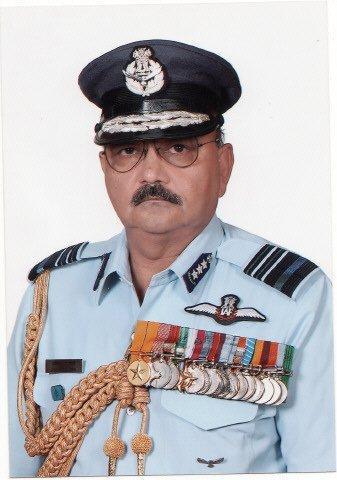
Image Credits: Bharat Rakshak
Biography
Background and Personal Life
Air Marshal Joshi was born on December 20, 1946, in Poona (Pune) to Mr Deodatta Vinayak Joshi and Mrs Sudha Joshi. His father retired as a Chief Engineer in the Military Engineering Service (MES). He was the third of five children, two sisters and four brothers. Owing to his father’s profession, the family moved frequently, and he pursued his education at several institutions in Poona, Visakhapatnam, Cochin, and Nagpur. Throughout his school days, he had a passion for the Defence Services and was part of the National Cadet Corps (NCC), with both Army and Navy Wings at different times. He married Mrs Geetanjali in 1970, and together, they were blessed with three daughters. Apart from his passion for the IAF, he had a deep affinity towards music and was very compassionate towards animals. He also extensively played golf post-retirement. [1] [2]
Career in the IAF
Initial Career
When he completed his matriculation, he opted to pursue higher studies in medicine; however, in the immediate aftermath of the 1962 Sino-Indian war, he found himself being drawn to a prospective career in the IAF. He began his training on November 16, 1964, at the Air Force Administrative College, Coimbatore, in the 97th Pilot Course. Soon thereafter, he undertook his flying training at No. 5 Elementary Flying Training Unit (EFTU), Nagpur, where he undertook training on the Stinson L-5 aircraft. He set a record at 5 EFTU for completing the quickest solo, only after 7h 30m flying time. However, around this period (April-September 1965), flying training was temporarily suspended due to the ensuing Indo-Pakistan conflict. [3] [4] [5]
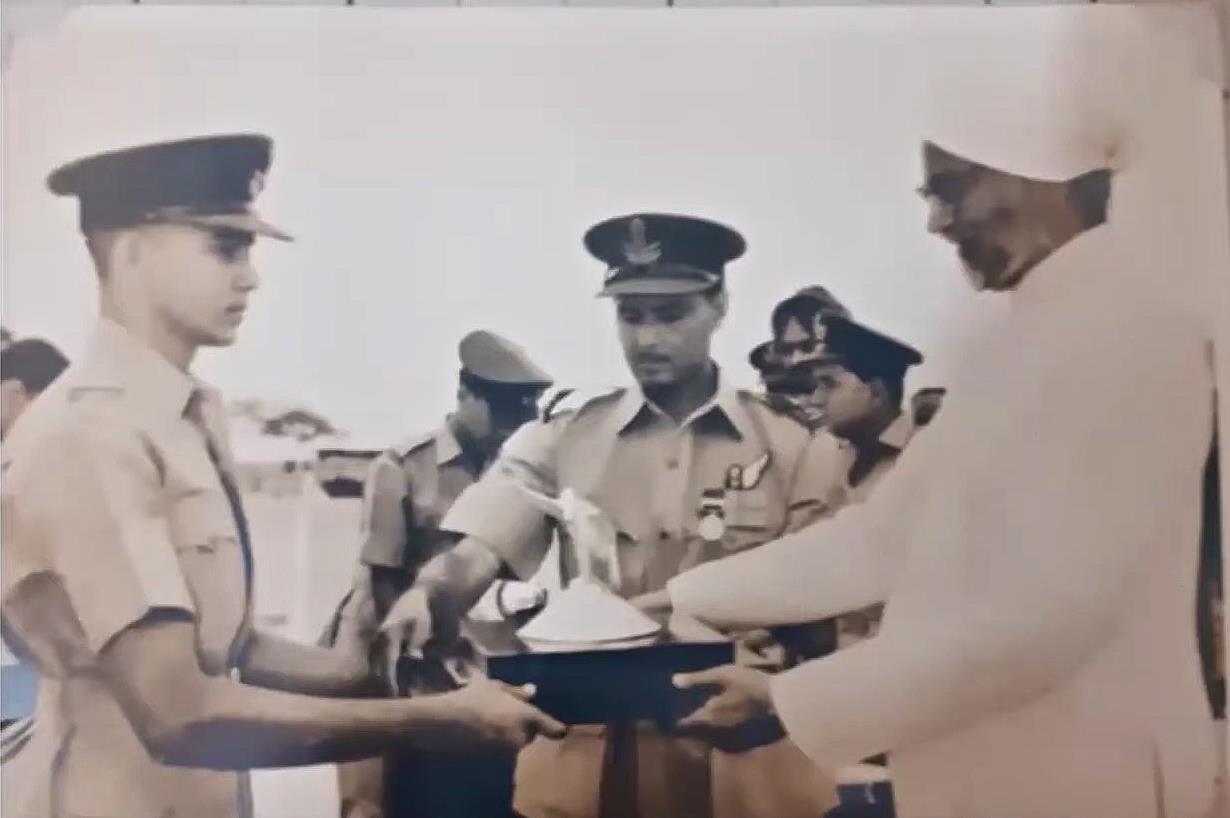
Once the 1965 war ended, training continued, but this time from Pilot Training Establishment (PTE), Bamrauli (Prayagraj). He set another record there, by flying his first solo on the Hindustan HT-2 aircraft, on his second sortie and only 1h 45m on the type; and was eventually awarded the “Best in Flying Trophy.” Post PTE, he was posted to the Air Force Flying College at Jodhpur, where he flew the T-6 Texan and stood third in the course. He opted for the fighter stream and proceeded to the Fighter Training Wing (FTW) in Hakimpet, where he flew the De Havilland Vampire aircraft and won the “Best in Flying” trophy. He was commissioned into the IAF on June 04, 1967, and his first posting was to No. 220 Squadron ‘Desert Tigers’ at Pune for Operational Conversion. In April 1968, he was posted to No. 27 Squadron ‘Flaming Arrows’, which was at Halwara, flying the Hawker Hunter F.56A. Incidentally, this posting would be one of his longest postings, as he remained in the squadron until June 1974 (6 years 2 months). Initial conversion on the type happened at a slow pace owing to high pilot count in the squadron; however, the process stabilised in early 1969. [6] [7]
Participation in the 1971 War
A few months ahead of the 1971 hostilities, Flying Officer A.D. Joshi and a few of his squadron mates had just returned from leave, only to find that his squadron had moved to Pathankot, as there was a speculation of war breaking out shortly. Upon moving to Pathankot and resuming training, on the evening of October 14, 1971, the entire squadron and its crew were mobilised to Ambala, in speculation of a commando raid by Pakistani special forces that evening (which was later found to be a false alarm). The squadron remained in Ambala until October 20. In November, the squadron was temporarily tasked for ‘Night-Strike’, but soon reverted to regular flying before the war commenced. [8]
In the last week of November, Flying Officer Joshi was appointed as the Range Safety Officer (RSO) of Sidhwan Khas range near Halwara, on temporary duty. He was to return to Pathankot on December 04, 1971; however, war broke out the day prior. The next morning, he departed for Pathankot and arrived there the same evening. Starting December 05, until the squadron’s eventual move to Hindan on December 12, he undertook active combat missions.
The missions flown by him included one Close Air Support (CAS) sortie on December 5, two Combat Air Patrols (CAPs) over Samba on the afternoon of December 6; one CAP over Chumb on December 7, one Search & Strike mission in Chumb on December 8, and one CAS sortie in Chumb on December 10.* [9] [10] [11] Sometime during the war, Pakistan resorted to using propaganda to declare Indian pilots as captured/Killed In Action (KIA) as part of their psychological warfare campaign. One such false announcement was made on Pakistani radio that Flying Officer Joshi had been captured! For his actions in the 1971 war, he was Mentioned-in-Despatches (M-in-D), which was officially announced on June 23, 1972.[12] [13]
[* List of missions flown during the 1971 war by Fg Offr AD Joshi is not complete]
Career Post 1971 War
On June 04, 1972, he was promoted to Flight Lieutenant. Flight Lieutenant Joshi was awarded Air Officer Command-in-Chief (AOC-in-C) commendation (Western Air Command, WAC) for his performance in No. 27 Squadron. [14] From July to December 1974, he completed the Advanced Permanent Flight Instructor’s Course (59 APFIC) at Air Force Station (AFS) Tambaram. [15] He served as a flying instructor in Dundigal from December 1974 to June 1976. He was awarded an AOC-in-C commendation (from Training Command this time) for successfully handling three separate emergencies on the HJT-16 Kiran aircraft.
After completing his instructor tenure, he was posted to No.37 Squadron ‘Panthers’, which flew the Haunter F.56, at Kalaikunda in July 1976. The unit was akin to an Operational Conversion Unit for the type. He took part in the Republic Day Parade flypast of 1977. In February that year, the squadron converted to the MiG-21M (Type 96), and moved from KKD to Adampur. He was made the Adjutant, ensuring discipline and orderly affairs within the squadron, and ensured smooth relocation despite the difficult logistics of moving from the east to the west. [16]
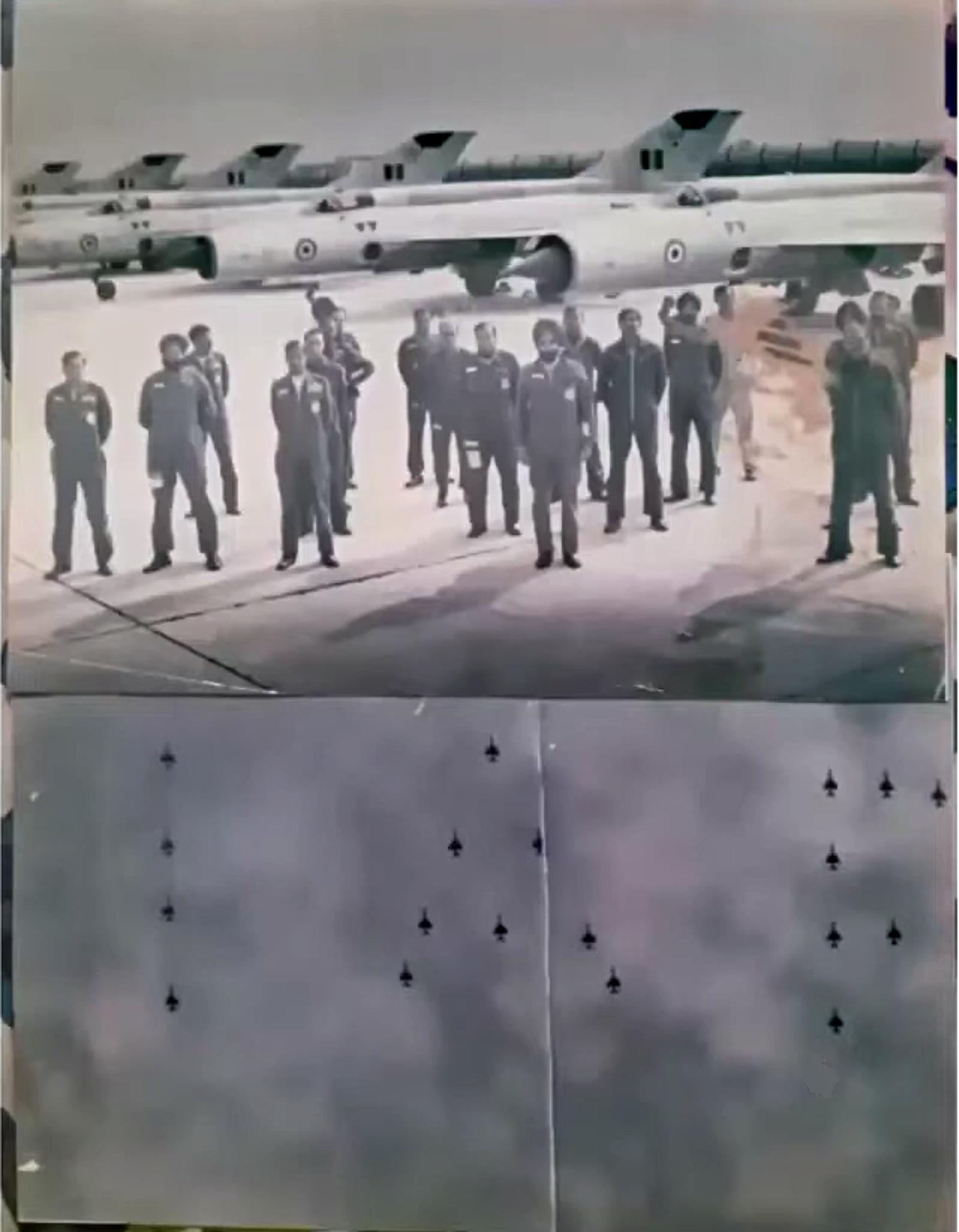
During that tenure, he played a crucial role in introducing valley flying and combat procedures for operations in the Greater Himalayas region and also conducted night flying trials from Awantipora and Srinagar (during the moon phase), for which he was again awarded the WAC AOC-in-C Commendation. He also took part in the fly-past at Halwara when Prince Charles visited India. The fly-past consisted of 19 aircraft, which were flying the “I.A.F” formation (aircraft of Nos. 101, 37, 108 squadrons flying the letters respectively). The same was also carried out in the limited Republic Day fly-past in 1978. He remained in the squadron’s roster until March 1982. [17] [18] He was part of the 19 FCL (Fighter Combat Leader) Course from the Tactics and Air Combat Development Establishment (TACDE), from December 1980 to March 1981. [19] Upon returning to the squadron, he was appointed Squadron Flight Safety Officer (SFSO). [20]
From January 1990 to March 1991, he was the Command Air Defence Officer (CADO), WAC; during which he implemented new ideas and brought all Surface-to-Air Guided Missile Units (SAGUs) from non-operational to operational status within six months. In March 1991, he was posted to the College of Combat, Mhow, where he completed his High Command course. After the HC Course, He was posted as the Station Commander of 5 Forward Base Support Unit (5 FBSU) at Uttarlai on April 21, 1992. On July 01, 1994, he was posted as a directing staff member to the College of Combat. [21]
High Command Postings
On being promoted as Air Commodore, he was posted to AFS Bidar as the Air Officer Commanding (AOC) on February 01, 1996. He raised the now-famous Surya Kiran Aerobatic Team (SKAT) on May 27, 1996, and has flown the maximum hours on the Kiran MK IA and MK II by any AOC and has flown with the Surya Kirans. In January 1998, he underwent the 47-week staff college course at National Defence College (38 NDC), after which he was posted as the Deputy Commandant of College of Air Warfare at Secunderabad on December 28, 1998. [22]
Upon being promoted as Air Vice Marshal on August 06, 2001, he was posted as Assistant Chief of Air Staff, Directorate of Inspection and Flight Safety (ACAS, Inspection and FS), and later on November 01, 2002, as ACAS (Personnel Officers) at Air Headquarters (HQ). During this period, he also completed a staff course on national security in Israel. On being promoted as Air Marshal on January 02, 2004, he took over as the Senior Air Staff Officer, South Western Air Command (SASO, SWAC) for a short tenure of only 10 months, followed by another short tenure of nine months as the AOC-in-C, Eastern Air Command, from November 2004 to August 2005, during which he brought about several administrative reforms to improve the operational readiness of the command, as well as raising the morale of the personnel. [23]
On August 22, 2005, he was posted as the C-in-C of Strategic Forces Command, which would be his last posting in uniform. He was awarded the Param Visisht Seva Medal (PVSM) on January 26, 2006 and made Honorary Aide-de-Camp (Hon. ADC) to the then President of India, Dr APJ Abdul Kalam. He superannuated on December 31, 2006. [24]
Contributions to the Flogger Family
In September 1981, Squadron Leader AD Joshi was selected to undergo conversion onto the MiG-23BN in the USSR. During the procurement of MiG-23 aircraft in the early 1980s, the IAF sent four separate groups of pilots and technical officers to the USSR for conversion. The sequence was as follows:
(a) First MiG-23BN Group of 14 officers went to the USSR under the leadership of then Wing Commander Rattan Lal Bamzai from October 1980 to March 1981. This group formed the backbone of No. 10 Squadron ‘Flying Daggers’, which converted to the type in April 1981.
(b) Second MiG-23BN Group, comprising 16 officers under the leadership of Wing Commander Hemant Vishnu Khatu, went to the USSR in October 1981 and remained there until March 1982. These officers formed the nucleus of the MiG-23 conversion of Nos. 220 Squadron ‘Desert Tigers’ and 221 Squadron ‘Valiants’ in 1982.
(c) First MiG-23MF group of 12 officers under the leadership of Wing Commander Inder Jit Singh Boparai, arrived along with the second MiG-23BN group in October 1981. This group formed the No. 223 Squadron ‘First Swing Wing Interceptors’ (later renamed ‘Tridents’ in 1989).
(d) Second MiG-23MF group of 10 officers under the leadership of Wing Commander Reynolds Andrew Massey, arrived in October 1982 and remained until March 1983, forming No. 224 Squadron ‘Warlords’.[25]
The officers who were part of the second MiG-23BN group were:
(a) Wg Cdr Hemant Vishnu Khatu
(b) Sqn Ldr Avinash Deodatta Joshi
(c) Sqn Ldr Vinod Kumar Arora
(d) Sqn Ldr Bhushan Nilkanth Gokhale
(e) Sqn Ldr Anil Thapar
(f) Sqn Ldr Ranjit Singh Pannu
(g) Sqn Ldr Syed Mohammed Ghouse
(h) Sqn Ldr Melvinder Singh Grewal
(j) Flt Lt Vijay Kumar Sharma
(k) Flt Lt Nalluri Motilal
(l) Flt Lt Tapan Kumar Chatterjee
(m) Flt Lt Devinder Singh
(o) Flt Lt Pradeep Singh
(p) Flt Lt Subramanyam Sukumar
(q) Flt Lt Tarun Kumar Varma
(r) Sqn Ldr Sashanka Shekhar Roychoudhary AE(M)[26]
The group reported to Air HQ on October 09, 1981, and took off for the USSR on October 13. Upon reaching Moscow, the group remained there for two days before heading off to Frunze, Kyrgyz SSR. From Frunze, the pilots took a train to Lugovoy in the Kazakh SSR. The training regiment at Lugovoy had a strength of 12 combat (MiG-23MF and/or BN) and 20 training (MiG-23 UB) aircraft. [27] It is to be noted that only the pilots received their ground subjects and flying training in Lugovoy, and the MCF for Tech Offers happened at Frunze itself.
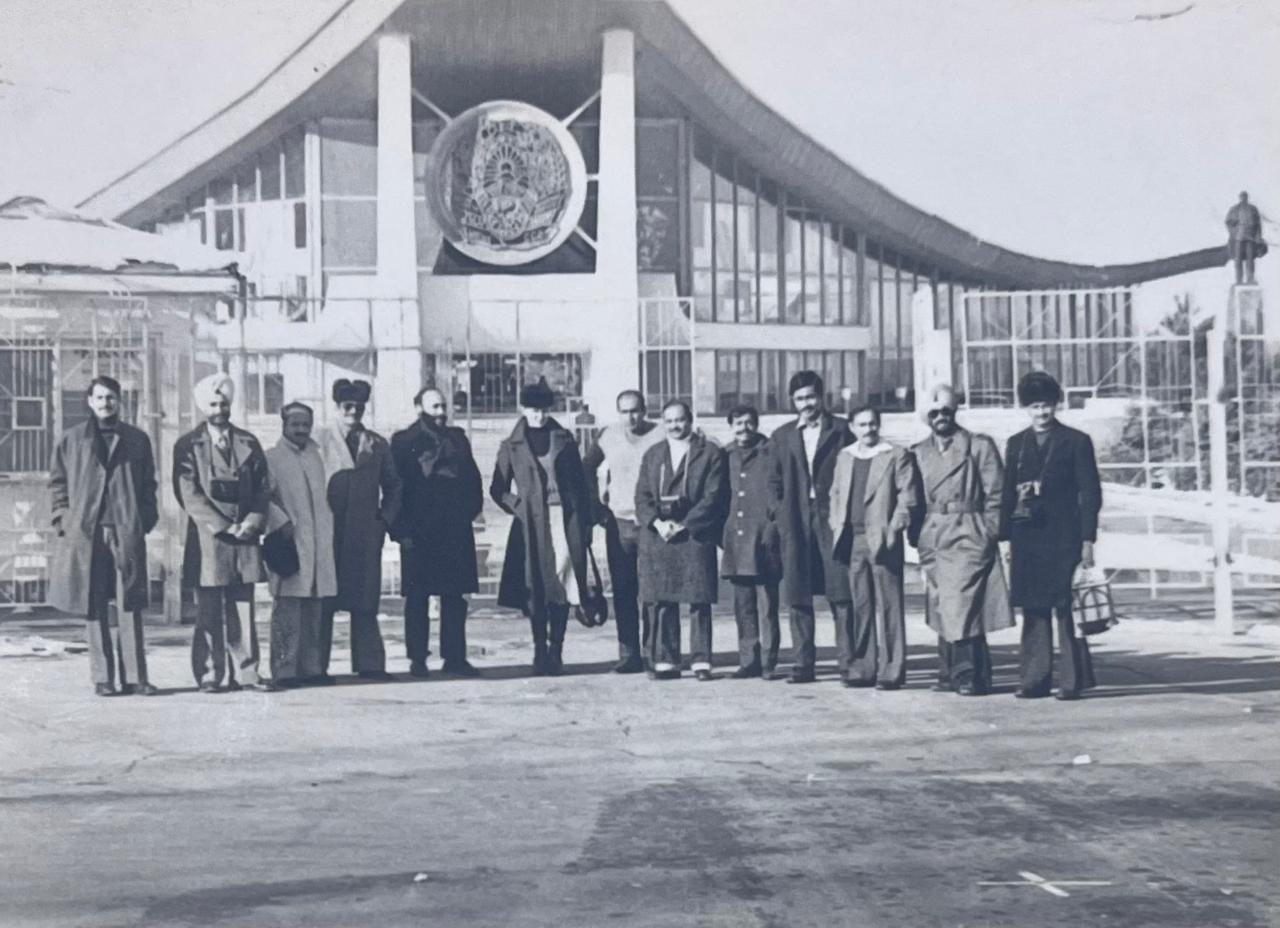
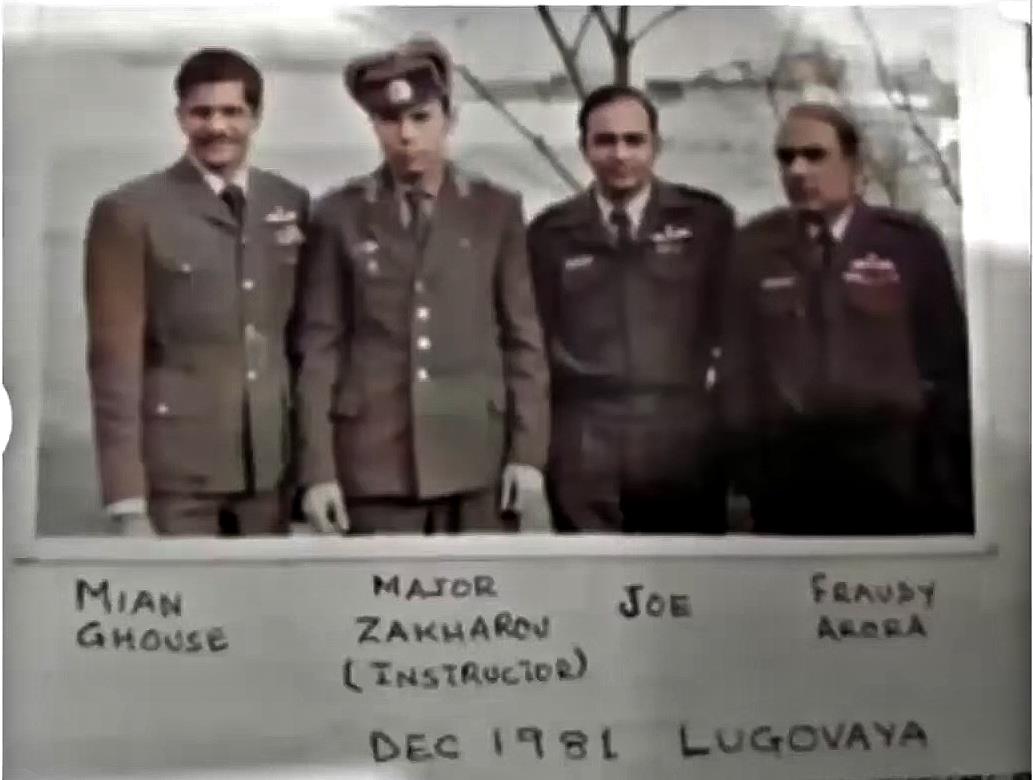
At Lugovoy, the pilots were stationed at «Гостиница Дружба» (Gostinitsa “Druzhba” or “Friendship Hotel”), which was a dormitory setup for all international pilots. Apart from the Indians themselves, the ‘hotel’ also housed other nationalities at that time, such as Algerians, Cubans, Iraqis, Libyans, etc. Owing to the wintertime, flying activity was heavily restricted. However, Wing Commander Khatu had internally divided the group amongst Squadron Leader AD Joshi and Squadron Leader SM Ghouse to prepare for an informal presentation as a means to keep the group occupied: using the study materials provided by the Soviets, one group had to come up with a case study of potential use of the MiG-23BN for CAS, while the other group had to make one for Offensive Counter Air (OCA) missions. Although this was just a ‘mental exercise’, the presentation would eventually go on to shape how the MiG-23BN would subsequently be used in the IAF. [28] [29]
Flying resumed on days when the weather became clear, but was highly restricted to basic fighter handling only (see our article on the ejection of Air Vice Marshal Pradeep Singh in the USSR for more information). [30] However, Wing Commander Khatu found that to be insufficient, and an appeal was made to the Indian Embassy in Moscow for some weapon-handling sorties as well. [31] [32] Eventually, three of the 15 pilots received one odd weapon-handling sortie on the MiG-23UB: Wing Commander HV Khatu and Squadron Leaders AD Joshi and SM Ghouse. [33]
A similar issue was also faced for the pilot’s flying gear, which had to be returned to the inventory store at the base after use; however, an appeal was made to the Indian Embassy. Wing Commander Khatu had personally gone to Moscow to meet then AOC-in-C WAC (later Chief of Air Staff) Air Marshal L.M. Katre, to make his appeal, and sure enough, the pilots were issued new flying gear, which was shipped back to India once training was completed. [34] [35] [36]
Squadron Leader Joshi also managed to get his first solo on the MiG-23BN in a record three sorties (one dual check on MiG-23UB, one solo on the MiG-23UB and direct first flight on the MiG-23BN). [37]
Training was completed by the third week of February, minus four pilots who hadn’t completed their training (this was when AVM Pradeep Singh ejected). The team departed Lugovoy at the end of February and stayed in Moscow for over a week, and returned to India in the first week of March 1982. Soon after, the No. 221 Squadron designations were posted to Halwara, where the squadron would be based. Squadron Leader Joshi was made the Deputy Flight Commander.
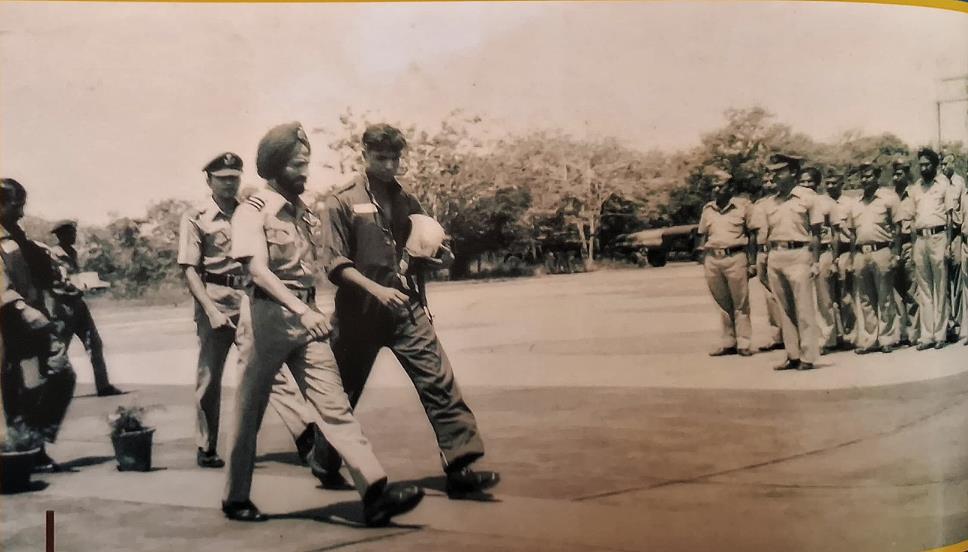
The first batch of Soviet-trained unit officers (Sqn Ldrs Joshi, Arora, Gokhale, Thapar, and Pannu, and Flight Lieutenants Sharma, Motilal, and Chatterjee) reported to Halwara on March 06. Routine operations resumed thereafter. On October 02, 1983, Squadron Leader Joshi was made the Senior Flight Commander of the squadron, taking over from Squadron Leader MD Khanna. [38] [39]
‘Valiants’ and the Himalayas
In early 1984, as tensions in the Siachen Glacier were rising, the IAF decided to activate the air base at Leh with fighter aircraft. While the SEPECAT Jaguar was the top-of-the-line ground attack aircraft of the IAF at that time, its lack of adequate engine thrust made its deployment unfeasible, so the IAF turned to its next best option: the MiG-23BN. Air Marshal Subramaniam Raghavendran, then SASO-WAC, requested Wing Commander Khatu to work around this deployment. It was soon discovered that for the MiG-23BN to operate from airfields above 3km ASL, the aircraft turbostarter required a modified valve. Interestingly, a corresponding cutaway diagram of the valve was provided in the aircraft manual; however, no inventory was supplied for the same by the Soviets. [40] [41] [42]
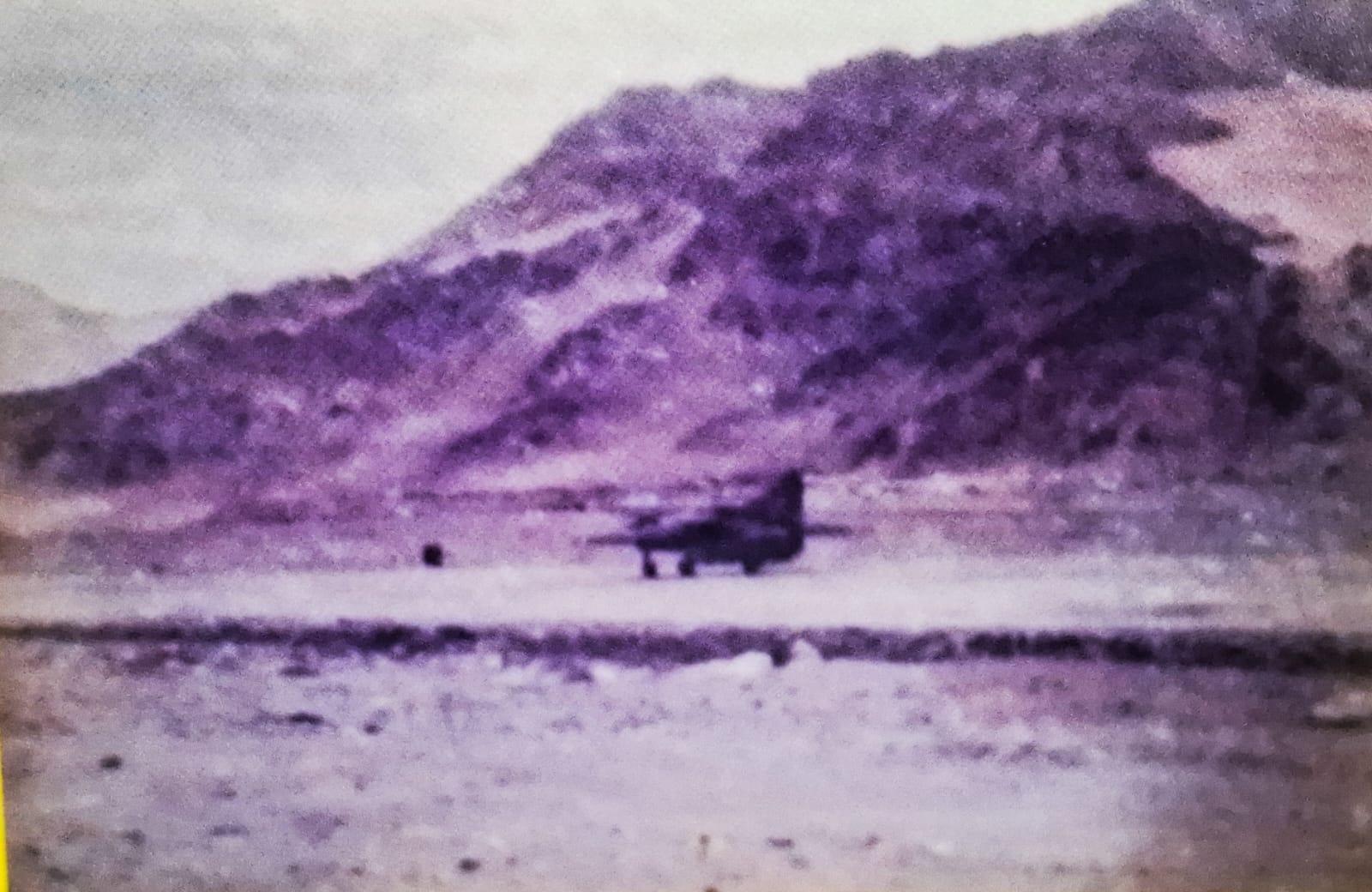
With the help of the Squadron Technical Officer, Squadron Leader P.S. Subramanian, a similar valve was locally manufactured, and three aircraft of the squadron were modified to carry out this operation.[43] Initial overshoot trials were carried out from Pathankot, primarily by Wing Commander Khatu and Squadron Leader Joshi. Soon after, operations were conducted from Awantipora, with continued overshoots of Leh. Once the required permissions were obtained, Squadron Leader Joshi was tasked to undertake the landing at Leh. On May 23, 1984, Squadron Leader Joshi successfully carried out a solo landing at Leh. However, due to poor weather, turnaround was only possible the next day. Squadron Leader Joshi eventually became the first MiG-23 pilot to land at Leh! [44] [45] [46]
Upon his return, he was personally congratulated by Air Marshal Raghavendran. In the months that followed, several landings and trials were carried out, in various weapon load-out configurations, to operationalise the aircraft at Leh. Between 1984 and 1986, the squadron also carried out a plethora of activities in the region:
(a) The squadron conducted several Photo Reconnaissance/Fighter Reconnaissance missions of the Siachen region and parts of Pakistan-occupied Kashmir (PoK), as part of Op Meghdoot; the exact details of which are still classified.
(b) The Valiants activated two armament ranges in Jammu & Kashmir, namely Toshe Maidan (Kashmir) and Kar Tso (Leh-Ladakh).
(c) The squadron was at the forefront of integrating new reconnaissance technology, such as the Infrared Line Scanning (IRLS) pods on the MiG-23BN and developing the operational doctrine for their use in high altitude regions.
All these activities, along with the combined efforts of the squadron officers and men, eventually led to the Valiants becoming the ‘High Altitude Specialists’ amongst the MiG-23BN squadrons. This eventually bore fruit when the squadron became one of the first to be deployed during Op Safed Sagar (Kargil Conflict), wherein it performed exceedingly well. [You can read about the employment of MiG-23BNs in Kargil in our interview with Air Commodore Ashit Mehta (Retd)]
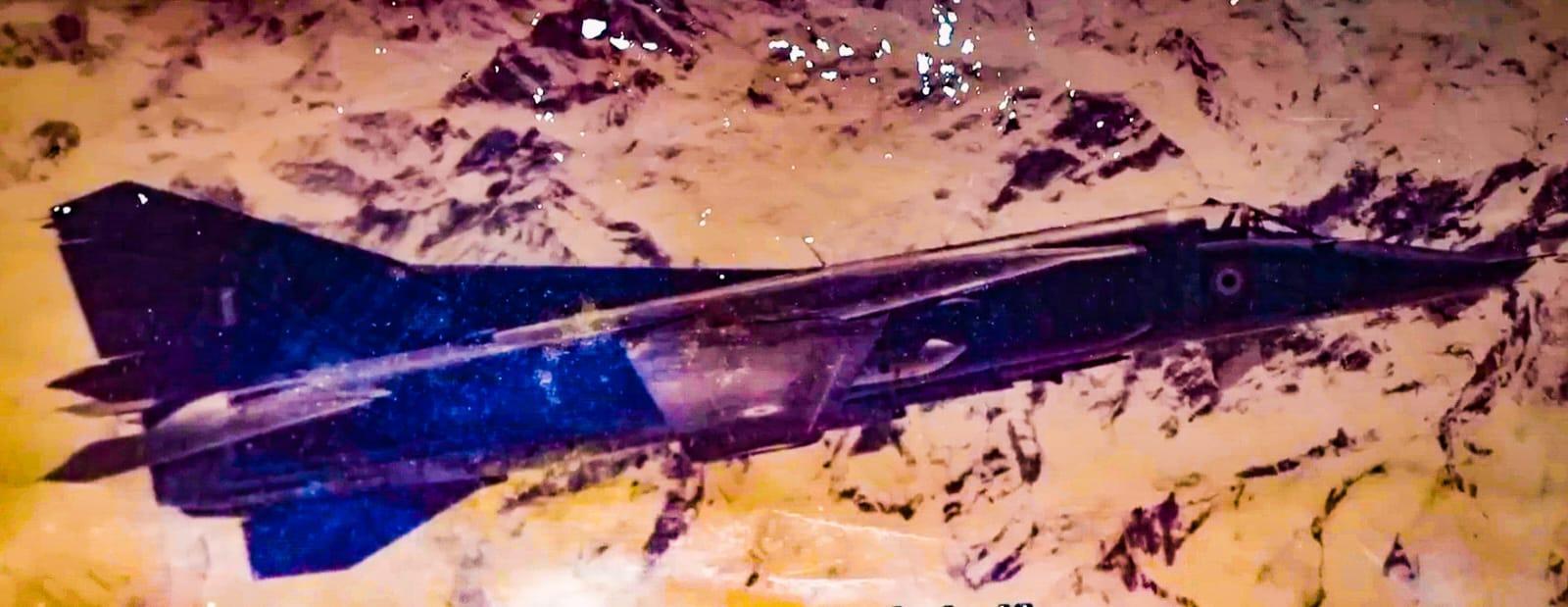
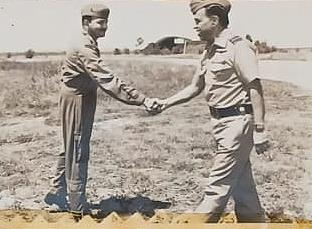
On September 21, 1984, Squadron Leader Joshi was promoted to the rank of Wing Commander and was posted out to 11 Base Repair Depot (11 BRD) to conduct an air test of 36 MiG-23BNs, which were assembled from Knocked Down Kits (KDKs) supplied by the USSR. [47] [48] After his term at 11 BRD, he assumed command of the ‘Valiants’ from Wing Commander Khatu on April 18, 1985. On August 26, 1985, the squadron achieved 100 per cent serviceability and flew all 16 aircraft on the same day at the same time, which is considered to be a very significant achievement. [49] [50] In the third quarter, the squadron carried out the first trials of 100 kg bombs at Toshe Maidan successfully. [51] [52]
On August 13, 1986, Wing Commander Joshi and Senior Flight Commander, Squadron Leader V.K. Sharma, carried out Kh-23 guided missile trials at Pokhran. A total of six missiles were fired, of which one destroyed the target fully, four destroyed the target partially, and one missile went dud. [53] [54] During the Red Alert of early 1987, the squadron was placed on high alert and was constantly carrying out detachments and exercises. The squadron also undertook activities towards Op Meghdoot during this period, which involved flying reconnaissance missions very close to the PoK. Despite the dangers involved in these missions, he personally volunteered to lead them, and flew along with his Snr Flt Cdr, Sqn Ldr P.S. Bhangu. There have also been classified missions in which he volunteered to fly solo, without a wingman, owing to the dangers involved. For his exceptional leadership capabilities and professionalism, he was awarded the Vayusena Medal on January 26, 1988. [55] On May 17, 1987, Wing Commander Joshi handed over command to Wing Commander BN Gokhale.
During his tenure as the Station Commander of Uttarlai, he introduced many changes and resurrected two underground Ops Rooms that had been damaged due to floods. He cleared a number of operational blast pens, housing projects and modifications to some projects to avoid flooding and damage, which made a difference to the station later. The base became a recurring Op Location for the MiG-23 and MiG-27 during that period. In honour of his contributions to the station, one of the housing enclaves has been named after him (Joshi Enclave). [56] [57]
Lengpui Airport is situated in the Mamit District of Mizoram. The airport was constructed as a civilian airport in 1995 by the Government of Mizoram to serve as the airport for Aizawl, the state’s capital. The airport is situated atop a ‘table-top’ feature and has streams flowing by the side of the feature, surrounding it from all sides, making the approach to the runway very tricky. On August 08, 2001, No. 22 Squadron ‘Swifts’ deployed a 4+1 aircraft detachment to perform a landing at Lengpui. The ‘Swifts’ became the first ever Indian fighter squadron to not just operate from Lengpui Airport, but from Mizoram. [58] As the AOC-in-C, EAC, Air Marshal Joshi continued to operationalise this vital airport, strengthening the IAF’s presence in the region. [59] From July 2005 until his superannuation on December 31, 2006, he remained the Commodore Commandant of the ‘Valiants’ Squadron.
Memoriam
Unfortunately, Air Marshal AD Joshi passed away in Pune, in the early hours of February 23, 2025, after a long struggle with a terminal illness. Colleagues, be it superiors, contemporaries or subordinates, and kith and kin of the late Air Marshal, remember him as a down-to-earth individual. Although he was soft spoken otherwise, he is considered to be a thorough professional and a task master, often being very strict and discipline-oriented. He praised when deserved but was also quite punishing when the hour demanded. He ensured that whatever task was to be completed was undertaken with utmost diligence and sincerity, with no room for any mishap. This attitude is clearly reflected in his nearly forty years of stellar service in the IAF, which were marked by numerous accomplishments.
NOTE: Special thanks to the colleagues and family of the late Air Marshal AD Joshi for helping with this piece by providing materials from their personal collection. Also noteworthy is the series of online interviews conducted by Ex-Sgt T Bhogeshwar Rao and Ex-JWO Chandra Pathak with him, which is perhaps the most exhaustive online biography of the late Air Marshal.
*****
CLICK TO VIEW PDF
Notes:
[1] Family of Air Marshal Avinash Deodatta Joshi, unpublished biographical note provided to the author, January 23, 2026.
[2] T Bhogeswar Rao (TBR 22A118PS001), “Air Marshal Avinash D Joshi PVSM VM Mention-In-Despatch (R) SPEAKS Part 1/1,” YouTube, July 7, 2021, https://youtu.be/0_fqDuM1HAM?si=Fv48tPzIgBKyn9_o.
[3] N. 1.
[4] Rao, n. 2.
[5] “Service Record for Air Marshal Avinash Deodatta Joshi,” Bharat-Rakshak,https://bharat-rakshak.com/indianairforce/database/10886. Accessed on January 24, 2026.
[6] N. 1.
[7] Rao, n. 2.
[8] Ibid.
[9] T Bhogeswar Rao (TBR 22A118PS001), “Air Marshal Avinash D Joshi PVSM VM Mention-In-Despatch (R) SPEAKS Part 1/2,” YouTube, July 7, 2021, https://youtu.be/kMUnqlKpvSw?si=bk97g5l5ayDVe7JZ.
[10] Satyajit Lall, 1971: Strategy, Campaign & Valor (New Delhi: Sabre & Quill Publishers, August 2024), p. 191.
[11] Air Marshal Vikram Singh, Because of This: A History of the Indo-Pak Air War of December 1971 (New Delhi: Manohar Publishers & Distributors, June 17, 2025), p. 78.
[12] Rao, n. 9.
[13] Bharat-Rakshak, n. 5.
[14] Rao, n. 9.
[15] “No. 59 APFIC Course List,” Bharat-Rakshak, https://www.bharat-rakshak.com/indianairforce/database/courses/courselist.php?qunit=59%20APFIC. Accessed January 24, 2026.
[16] T Bhogeswar Rao (TBR 22A118PS001), “Air Marshal Avinash D Joshi PVSM VM Mention-In-Despatch (R) SPEAKS Part 2/1,” YouTube, July 7, 2021, https://youtu.be/jBX1a3MrPvc?si=-R2ru0IR3PwdVLHe. Accessed on January 25, 2026.
[17] Ibid.
[18] N. 1.
[19] “No. 19 FCL Course List,” Bharat-Rakshak, https://www.bharat-rakshak.com/indianairforce/database/courses/courselist.php?qunit=19%20FCL. Accessed on January 27, 2026.
[20] Rao, n. 16.
[21] N. 1.
[22] Ibid.
[23] Ibid.
[24] Ibid.
[25] Arjun Prakash Iyer and Shwetabh Singh Rajput, “Swing-Wing Heroes of the Himalayas: Story of the MiG-23s and MiG-27s Defending the Northern Borders of India,” Centre for Aerospace Power and Strategic Studies (CAPSS), October 15, 2024, https://capssindia.org/swing-wing-heroes-of-the-himalayas-story-of-the-mig-23s-and-mig-27s-defending-the-northern-borders-of-india/. Accessed on January 29, 2026.
[26] List compiled based on discussions with Air Vice Marshal Pradeep Singh, Group Captain Hemant Vishnu Khatu, and Wing Commander Vijay Kumar Sharma
[27] Arjun Prakash Iyer and Shwetabh Singh Rajput, “Behind Friendly Lines: Story of How an Indian MiG-23 Pilot Ejected in the USSR,” Centre for Aerospace Power and Strategic Studies (CAPSS), April 08, 2025, https://capssindia.org/behind-friendly-lines-story-of-how-an-indian-mig-23-pilot-ejected-in-the-ussr/. Accessed on February 01, 2026.
[28] Hemant Vishnu Khatu (Group Captain in the Indian Air Force), in discussion with Arjun Prakash Iyer, January-February, 2026.
[29] Vijay Kumar Sharma (Wing Commander), in discussion with Arjun Prakash Iyer, January, 2026.
[30] Iyer and Rajput, n. 27.
[31] T Bhogeswar Rao (TBR 22A118PS001), “Air Marshal Avinash D Joshi PVSM VM Mention-In-Despatch (R) SPEAKS Part 2/2,” YouTube, July 7, 2021, https://youtu.be/dhEyNV-st84?si=0UIrWAQB5u52psjL.
[32] N. 28.
[33] Ibid.
[34] Rao, n. 31.
[35] N. 28.
[36] N. 29.
[37] Rao, n. 31.
[38] Indian Air Force, Form 1500 (Operational Record Book), No. 221 Squadron IAF, File No. AIR/SQN/217H/1B/Vol-IB (January 1974–December 1986), declassified by Ministry of Defence, History Division, New Delhi, ORB for the quarter ending March 31, 1982.
[39] N. 28.
[40] Ibid.
[41] No. 221 Squadron Indian Air Force, Valiants: The Few, The Proud – 221 Squadron Indian Air Force – Glorious 60 Years 1963–2023 (Halwara, Indian Air Force, 2023), pp. 34–65.
[42] No. 221 Squadron Indian Air Force, The Illustrated History of the 221 Squadron Indian Air Force (Halwara, Indian Air Force, 2009), pp. 65-66
[43] N. 28.
[44] Anchit Gupta, “High Flying Heroes: The Pioneers of Fighter Landings at Leh Airbase,” IAF History, February 19, 2022, https://iafhistory.in/2022/02/19/high-flying-heroes-the-pioneers-of-fighter-landings-at-leh-airbase/. Accessed on February 2, 2026.
[45] Mann Aman Singh Chhina “Military Digest | Remembering Air Marshal A.D. Joshi: The MiG-23 Landing at Leh,” The Indian Express, February 16, 2025, https://indianexpress.com/article/cities/chandigarh/military-digest-remembering-air-marshal-a-d-joshi-mig-23-landing-leh-9864151/. Accessed on February 14, 2026.
[46] Iyer and Rajput, n. 25.
[47] N. 1.
[48] T Bhogeswar Rao (TBR 22A118PS001), “Air Marshal Avinash D Joshi PVSM VM Mention-In-Despatch (R) SPEAKS Part 1/3,” YouTube, July 7, 2021, https://youtu.be/RuWjORITIDM?si=JRcDotICQjXLr4R8.
[49] Indian Air Force, Form 1500, No. 221 Squadron, ORB for the quarter ending September 30, 1985
[50] No. 221 Squadron Indian Air Force, n.39, pp. 34–65.
[51] N. 28.
[52] N. 29.
[53] Indian Air Force, Form 1500, No. 221 Squadron, ORB for the quarter ending September 30, 1986
[54] N. 28.
[55] Bharat-Rakshak, n. 5.
[56] N. 1.
[57] Rao, n. 48.
[58] Indian Air Force, Swifts – Sahasam Vijayate – Golden Jubilee 1966–2016 (Hasimara: Indian Air Force, 2016), p. 86.
[59] Rao, n. 48.