
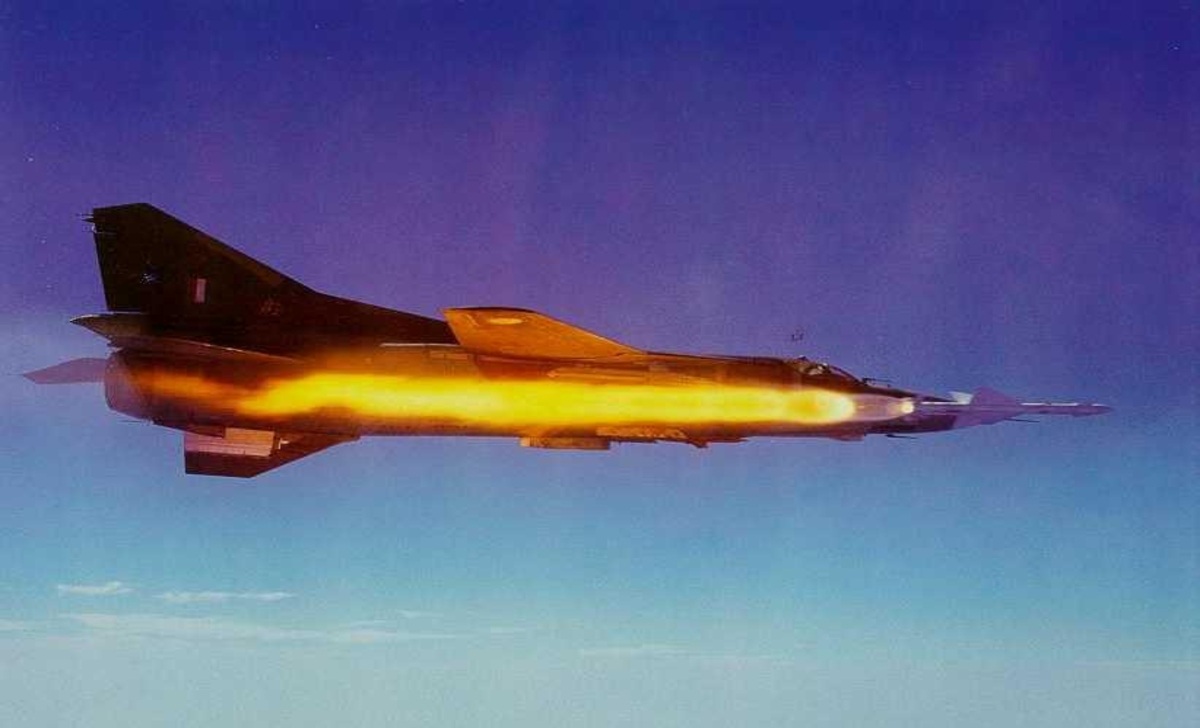
Author: Mr Arjun Prakash Iyer and Mr Shwetabh Singh, Research Scholar, Unni Kartha Chair of Excellence
Keywords: IAF MiG-23MF, R-23 Missile, Operation Meghdoot, No.224 Squadron Warlords, Air Combat Tactics
In our previous segment of the interview with former MiG-23MF and accomplished experimental test pilot Wing Commander Biswa Bihari Misra (Retd), VSM, we covered the technical novelties offered by the MiG-23MF to the Indian Air Force (IAF) (you can read our previous article here). In this segment, through a few questions to him, we explore life in an Air Defence (AD) squadron of the IAF and how the IAF successfully employed the MiG-23MF during both peacetime and ‘near-wartime’ situations.
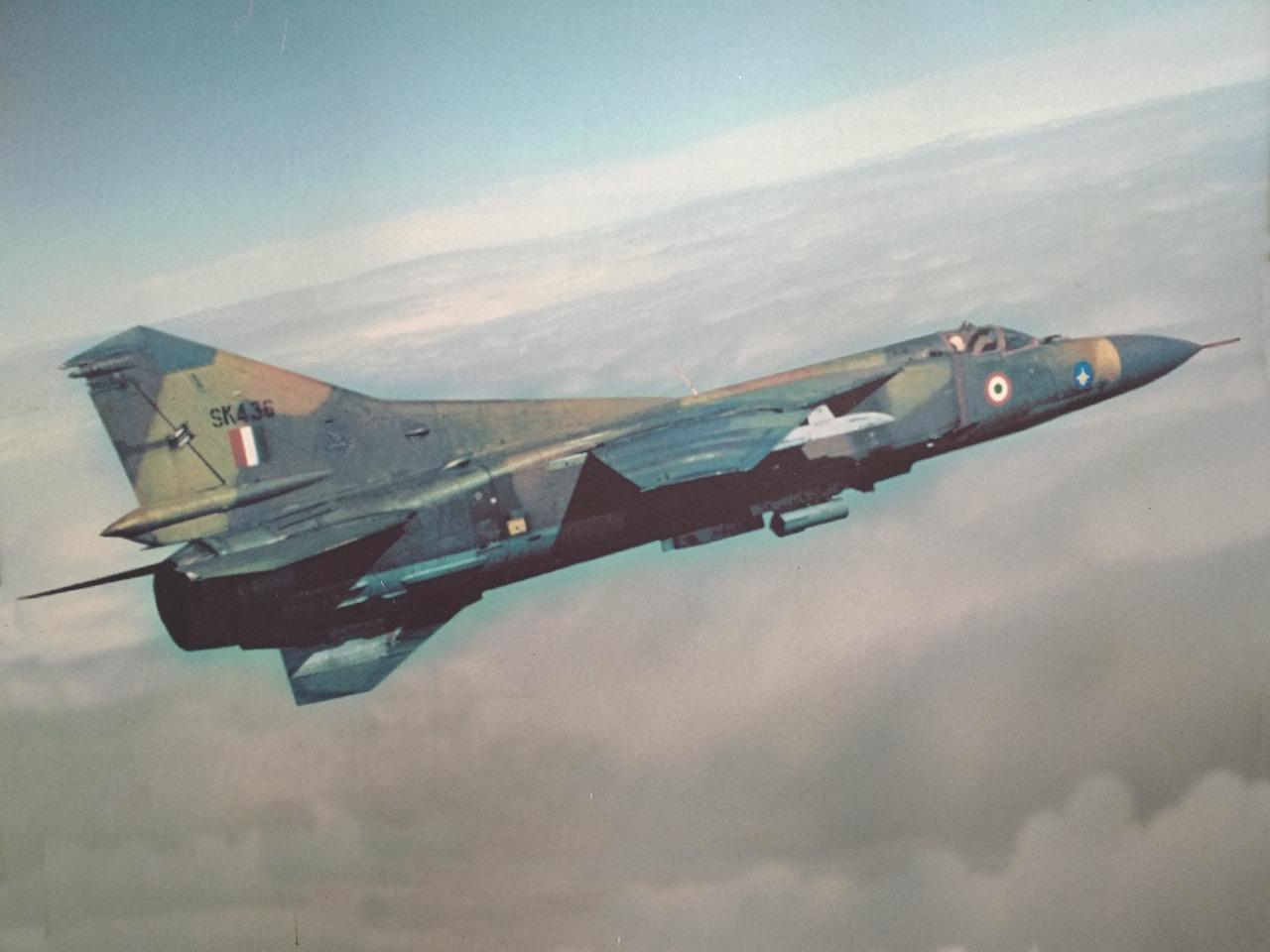
When were you introduced to the aircraft? Could you recollect your initial stint with the squadron?
I was first introduced to the aircraft between July and August of 1983. Randy (Gurmeet Singh Randhawa, later Group Captain) and I were Flying Officers back then, and the youngest officers in the squadron (No. 224 Squadron ‘Warlords’). I distinctly remember how we used to clean the Hardened Aircraft Shelters (HAS) before we brought in the aircraft. At that time, the squadron didn’t have its own complex (a dedicated part of the airfield for the squadron), so we used to share No. 223 Squadron’s complex until we got our own, which was around the end of 1983. My first impression – “very electronically sophisticated.” It required a good understanding of how radars worked to master the aircraft truly. Another thing was the low tail ground clearance of the aircraft, which required some level of practice to learn how to land the aircraft correctly. If you did not make the landing approach correctly, the aircraft started to ‘balloon’ and ‘porpoise,’ which eventually led to PIOs (Pilot Induced Oscillations) if not mitigated correctly. There have been several incidents where either the tail section or the nose gear of the aircraft has been damaged because of an incorrect approach technique.
How were pilots selected to fly the MiG-23MF?
Every squadron typically has some experienced people who are both professionally and managerially experienced, having served as Flight Commanders in the past, and then there are middle-level pilots who are qualified for Day and Night Operations. And then, we have the youngsters (rookies), who have completed their basic flying training and are at least Day Ops qualified on another platform or belong to a similar stream. So possibly, we were selected because we happened to come from an Air Defence squadron, and had previously handled radars. I was in No.3 Squadron (which was flying the MiG-21bis at the time) before I was introduced to the MiG-23MF. We did realise that the MiG-23MF demanded more from a pilot in terms of being technically sound with radars and electronics, not to mention the variable geometry wings and the high demand for flying skills.
A fighter squadron in the Indian Air Force (IAF) usually consists of 18 aircraft (a mix of 16 fighter/combat aircraft and two type conversion trainer aircraft), which is flown by a roster of 16 to 20 pilots and maintained by airmen under the supervision of commissioned technical officers. So, the total number of officers within a squadron would range from 25 to 30. The squadron is headed by a Commanding Officer (CO), to whom everyone reports. The CO of a squadron is usually of the rank of Wing Commander or Group Captain.
The 2IC (2nd In Command) of a squadron is the Flight Commander (Flt Cdr), who is the second most experienced pilot within the squadron. They would be of the rank of a Squadron Leader. The Flt Cdr officiates as the CO of the squadron in case the CO is away temporarily (an example of which you will see later in this article). In some cases, the 3rd most senior pilot within the squadron might also be referred to as Deputy Flight Commander (Dy Flt Cdr). Whilst among the pilots there are no further divisions based on rank hierarchy, they are often categorised based on the level of flying experience and proficiency.
So, how is a pilot classified based on their proficiency? After completion of basic training at the Air Force Academy (AFA) and the training school for their respective stream (Fighters, Helicopters or Transports), the newly commissioned officer is posted to an operational squadron, where they are first ‘converted’ onto the aircraft (introduced to flying the aircraft). After the conversion is completed, they are now operationalised on the aircraft (to groom and prepare them to be able to fly the aircraft under all weather conditions and circumstances). “Fully Ops ” as they call it, this is again divided into two levels – “Day Ops ” Qualified, meaning the pilot is fully competent to fly the aircraft in combat, but only during daytime and “Fully Ops/Night Ops” Qualified, which means that the pilot is now capable of flying the aircraft in operations both in daytime and nighttime. In a parallel set of qualifications, the pilots undergo training on type and tests to acquire their weather-related rating of “White,” “Green,” or “Master Green.”
Once a pilot is Fully Ops, they are now groomed to undertake further leadership within the squadron – becoming an element lead. An element can be described as the smallest unit formation within an Air Force, comprising two aircraft. Now the pilot is taught how to command an element in the air, flying and fighting against others with their ‘wingman’ as a team in all conditions of the day. Once they successfully complete this stage, the pilot is now prepared to lead a four-aircraft formation. A typical four-aircraft formation consists of a flight lead, who not only commands their own element, but also another element, led by the second most experienced pilot within the formation. By this time, the pilot would have ideally reached the rank of a Flight Lieutenant.
Could you describe what a typical day in an Air Defence (AD) squadron looks like?
Air Defence means that your whole day is not as structured as a Ground Attack squadron. A ground attack Squadron has a four-ship formation to attack some locations, including some live targets and others that are not live. So, these are all pre-planned because the routes have to be planned, and the aircraft have to be configured/prepared. Weapon loading, unloading, rigging and harmonisation, have to be done. Whereas in an Air Defence squadron, you are in air combat mode, you do your briefing, which can stretch by plus or minus half an hour. Then you fly, and after flying, you draw the air situations, aka “jalebis”, and debrief, which can stretch by plus or minus two to three hours here and there. Most of the time goes into briefings and debriefings. Air Defence is a little less restricted. Starts a little early, not as early as the Ground Attack squadrons. Sometimes they (Ground Attack squadrons) do a pre-dawn attack. Air Defence guys don’t do that. But evening-night flying is more systematic than daytime flying. We don’t do night flying every night. We have a night flying phase. So, we decided to do a dark phase or a moon phase. And accordingly, it’s tied to the moon. So, we know that the moon cycle will determine the night flying phase.
How does it feel to be on ORP (Operational Readiness Platform)?
There’s a difference between flying general Air Defence sorties and being put on ‘live’ ORP duties. What I mean by ‘live’ is that the aircraft and pilots are ready for real missions, to tackle real threats. The aircraft is armed with live munitions. Everything is live about that airplane including the guns. They rarely get airborne. Maybe once or twice a month, when there is unrecognised air traffic and a need to identify/neutralise it. So, there are different levels of ORP, each manned by a squadron. There are 24-hour ORPs and daylight ORPs. The 24-hour ORP is manned both day and night. So, one crew goes out for the day and one crew goes out for the night. Key stations typically have 24-hour ORP, like Adampur, Pathankot, and Halwara. They all have 24-hour ORPs, while smaller stations operate for 12 hours.
Operational Readiness Platform (ORP) refers to duties manned by Air Defence squadrons of the Air Force to respond to any aerial threat within a short span of time. These duties are comparable to the North Atlantic Treaty Organisation’s (NATO) QRA (Quick Reaction Alert) scrambles in nature and scope. Although entire squadrons do not operate such missions, each Air Defence/Fighter squadron within an airbase is allotted a specific duration (usually for around 15 days at a stretch) to man ORP. Throughout that duration, the squadron allocates specific pilots and aircraft towards the effort. These aircraft and pilots are usually positioned away from the regular squadron complex to make these missions more convenient. The said aircraft are parked in hardened aircraft shelters, much closer to the runway, armed and fuelled 24/7, ready to take-off within a very short span when the need arises. The pilots themselves are positioned in ‘ready rooms’ close to the shelters where aircraft are parked.
The nature of the threat is vastly unknown: it could be anything – from an amateur pilot who deviated from their flight path, to a commercial airline losing radio contact with the ground control, to escorting a hijacked aircraft, to intercepting a foreign military aircraft entering the Indian military airspace. Once a threat is identified by a ground station (such as a radar), the ORP is ‘scrambled’ – an alarm is raised, and the pilots manning the ORP dash to their aircraft and take-off on short notice to rendezvous with and inspect the target, and shoot it down if necessary.
ORPs are mostly manned in three different readiness levels. Standby-15 is when the aircraft and pilots are expected to be airborne within 15 minutes after the scramble is announced. Standby-5, which is perhaps the most commonly practised scramble, expects the aircraft to be airborne within 5 minutes after the call is raised. This is what most popular media portray: pilots running to their aircraft from their ready rooms, climbing into their aircraft and starting it, rolling out of their shelters and taking off quickly. Standby-2, orders for which are only issued during wartime or when the threat is imminent, sees this process expedited to a whole new level. Pilots are seated in their aircraft full-time, with the aircraft ready to start. Once the scramble is ordered, all they have to do is start the aircraft, disconnect the ground power supply, shut the canopy, pull the chocks away, and they’re airborne in under two minutes (and that’s faster than the time it takes to cook instant noodles).
Have you flown DACT (Dissimilar Air Combat Training) with other aircraft? How did the MiG-23MF fare in them?
Before we discuss DACT, I would like to say that as an Air Defence Squadron, our regular squadron life was filled with air combat training. We used to pair up amongst ourselves and fly practice one vs one, two vs one, two vs two and so on during air combat sorties. We also practice different types of missions, like the Combat Air Patrol (CAP), providing escort support to other aircraft, and Interceptions. Then comes what you refer to as DACT – Dissimilar Air Combat Training. If there were a MiG-21 or any other squadron within the base, we’d just go over to the briefing room and fix up a training sortie with them and fly. If we had to fly against a fighter squadron out of Adampur, say Pathankot (where MiG-21s were based at the time), we would talk to the other squadron, and we would rendezvous at some place and fly DACT. It was good to train youngsters, as they would be introduced to a different aircraft with different performance characteristics, different strengths, and different weaknesses, flown by a pilot from a different squadron who had different skills and flying experience than ours but tactically they were not good. It just provided some good experiences.
The MiG-21bis is comparable to the MiG-23MF in terms of flying performance. However, the real challenge was flying against the Folland Gnat/Ajeet. Doing DACT between the MiG-23MF and Ajeets was a pain. (Chuckles)… You couldn’t spot them; your eyes were not tuned to seeing them. We were so used to the big aeroplanes (like the MiG-21s and Hawker Hunters) that spotting them (Ajeet/Gnat) in the air was difficult for us. They were small and silver in colour, which made them just not easily visible against the blue sky. They were also very agile. You didn’t expect them to move around the way they did. So, they were very, very painful. It took us time to understand how to handle them.
Through the 1980s, the IAF operated a myriad of fighter aircraft, from the small and nimble Folland Gnat (as well as its Indian derivative Hindustan Aeronautics Limited’s Ajeet) and the venerable Hawker Hunter of the 1950s vintage, to Su-7BMK and early versions of the MiG-21FLs of the 1960s vintage to the more capable MiG-21M/MF and MiG-21bis and all the way to the modern fourth-generation fighters in the form of Mirage 2000 and MiG-29. This diversified inventory within the IAF provided its pilots and ground crew with a unique exposure to different perspectives and methods of working from across the globe.
India had also acquired MiG-25s in the early 1980s. Despite purchasing only 10 airframes meant purely for photographic reconnaissance [8x MiG-25RBK’s (KP351 through KP356; additional airframes KP312 and KP3106) and 2x MiG-25RU (DS361 and DS362)], the Garuda was still a formidable foe to those who tried to intercept it. [1]
The MiG-25 is another beast! You see it at one level and next moment you see it at another flight level. It climbs and accelerates so fast, how do you even catch it? You just can’t catch it anywhere. So, you have to prevent it from climbing that fast. That aircraft is very sluggish and slow at the initial part (low altitude), but once it goes past Mach 0.9, it is like a rocket! So, for them, the tactics were different. Their operating altitudes are much higher than those of the MiG-23MF, and they even climb faster, so we had to develop means to catch them at certain points in their flight. As AD guys, we always had to be on the edge – What if our enemies potentially got their hands on aircraft of similar capability as the MiG-25? How would we intercept them? Do we intercept when they are climbing to their operational altitude or do we intercept them when they are transitioning between various flight levels or do we catch them as they descend after their mission? Do we have to keep climbing to intercept them or do we level out after a certain height and wait for them to descend?
How did the Dassault Mirage 2000H, the actual intended counter to the Pakistani F-16s, compare to the MiG-23MF, which was bought out of sheer necessity and urgency?
I have done comparisons twice. One instance was when the Mirages initially came for DACT. However, more than air combat manoeuvring, they were more ‘electronic happy.’ They were exploiting their new equipment more than doing air combat. They weren’t ‘acquiring’ me visually; they were ‘painting’ (detecting) me using their radar. So that was one exposure. The second time was after my tenure with No. 224 Squadron, during my days as a Test Pilot. I was lucky enough to evaluate both the MiG-23MF and the Mirage 2000 and to clinically compare them in all kinds of scenarios for certain requirements that are classified. I was qualified to fly both aircraft as a Test Pilot. It was a comparison not just between two different aircraft, but between two different philosophies of design: the Soviet versus those of the West. When compared to the initial Mirage 2000H, yes, the MiG-23MF’s radar was numerically superior to Mirage’s radar. No doubts. Range-wise, detection-wise, scan angle-wise, clutter reduction-wise and speeds-wise. However, operationally, the Mirage equipment was far easier to operate and interpret. The electronic performance scatter within the fleet was a pain too.
The initial batch of Mirage 2000s meant for the Indian Air Force was fitted with the RDM (Radar Doppler Multifunction), a pulse-Doppler radar developed by Thomson-CSF (now Thales). These were later replaced with more powerful RDI (Radar Doppler à Impulsions), a specialist air-to-air radar in the early 1990s.
Ergonomics, human interface, design, User Interface, whatever you call it, was far, far better than the Russian aircraft. In Russian aircraft, there were just a handful of guys in a squadron who were radar specialists. If something had to be shown to somebody, especially if I had to take one senior officer coming from command or headquarters to fly, show him how to operate the radar, they’d say, ‘Mish, you go.’ And you had to literally be on your toes, reaching for a switch here and a switch there, just to do one act of switching between a radar lock and gun mode. Five switches to switch between two modes, gun modes of the radar, where the radar range finder switches to gun ranging mode. On the Mirage, if I lock onto an aircraft, a circle appears on the Heads-Up Display (HUD right here). If you look at the centre of the TD (Target Designation) box, you will see the target there. It’s harmonised. On the MiG-23MF, there is a similar concept. But, the azimuth scale of the HUD is compressed. What is 30 degrees virtually is about 12 degrees on a 1:1 real-world scale. So, when one looked through the “TD” on the MiG-23MF, he didn’t see the target.
The design of fighter aircraft is often influenced by the philosophical thinking of the designers and prevailing social beliefs. For instance, Soviet aircraft are often described as ‘inexpensive and ergonomic, yet rugged and reliable’, because Soviet design philosophy dictates that an aircraft should be easy to mass-produce and must be built to operate in all terrains and climatic conditions. On the other hand, most Western aircraft are designed to be pilot-friendly.
What would you say about doctrinal differences in CAS vs Air Defence domains within the Indian Air Force?
The Air Defence wing is not well understood by the Ground Attack wing, but the ground attack component is often well understood by the Air Defence guys. We are escorting them, and we understand exactly what kind of aerial threats they might encounter. But the Ground Attack guys are like a horse with blinkers, because they have a very specific mission – to neutralise the target. They focus on that. The Ground Attack guys hardly train for Air Defence because their aeroplanes cannot perform most of it. The MiG-23BN guys also engage in air combat occasionally, either in one vs one or two vs two scenarios. But where they do one vs one is like saying we will race in two Ambassadors (an Indian four-door sedan car). After a lot of effort, you will reach 60 kmph; you can’t go any faster than that. So, this is a problem in most places. To a certain extent, multi-role aircraft (e.g., Mirage 2000 or Tejas) have sort of put minds together, and combined operations and integrated operations have brought it closer. Today, it is so much more different from what it was. But between the 1970s to 1980s and the early 1990s there was a notable disconnect. However, back in the 1980s and 1990s, aircraft had specific roles; hence, it was necessary that they understood each other’s roles. This issue would usually be solved in the briefing, where we would discuss with our ground attack counterparts the various risks that could be encountered during the mission and ways to mitigate them.
Could you explain a bit about the tactics used by the Air Defence pilots, maybe even a bit about CAP?
So, coming back to tactics, CAP (Combat Air Patrol) is defined as patrolling a point or area in defence. Point defence is like a runway or an ammunition dump. You go round and round. You have the standard pattern. You are opposite on a circle, two aircraft. The fighting unit consisted of two aircraft. Doing symmetrical stuff. If I am in a turn, the other person is in a turn. If I am looking left, the other person is looking right. You know, like a mirror image. Area Defence would be applicable to targets such as dams or railway stations. So, you do a race course pattern, but again, it is very symmetric. A point comes when you are symmetrical, your formation should be able to effectively scan the environment. But this also has blind spots. Based on the pattern, there might be an instance where the target is in a blind spot for both of us, especially coupled with the MiG-23 MF’s finicky radar. I may have my radar working nicely, but you [wingman] may not have your radar working. I may be using my radar in some mode, and you[wingman] may be using the radar in some other mode.
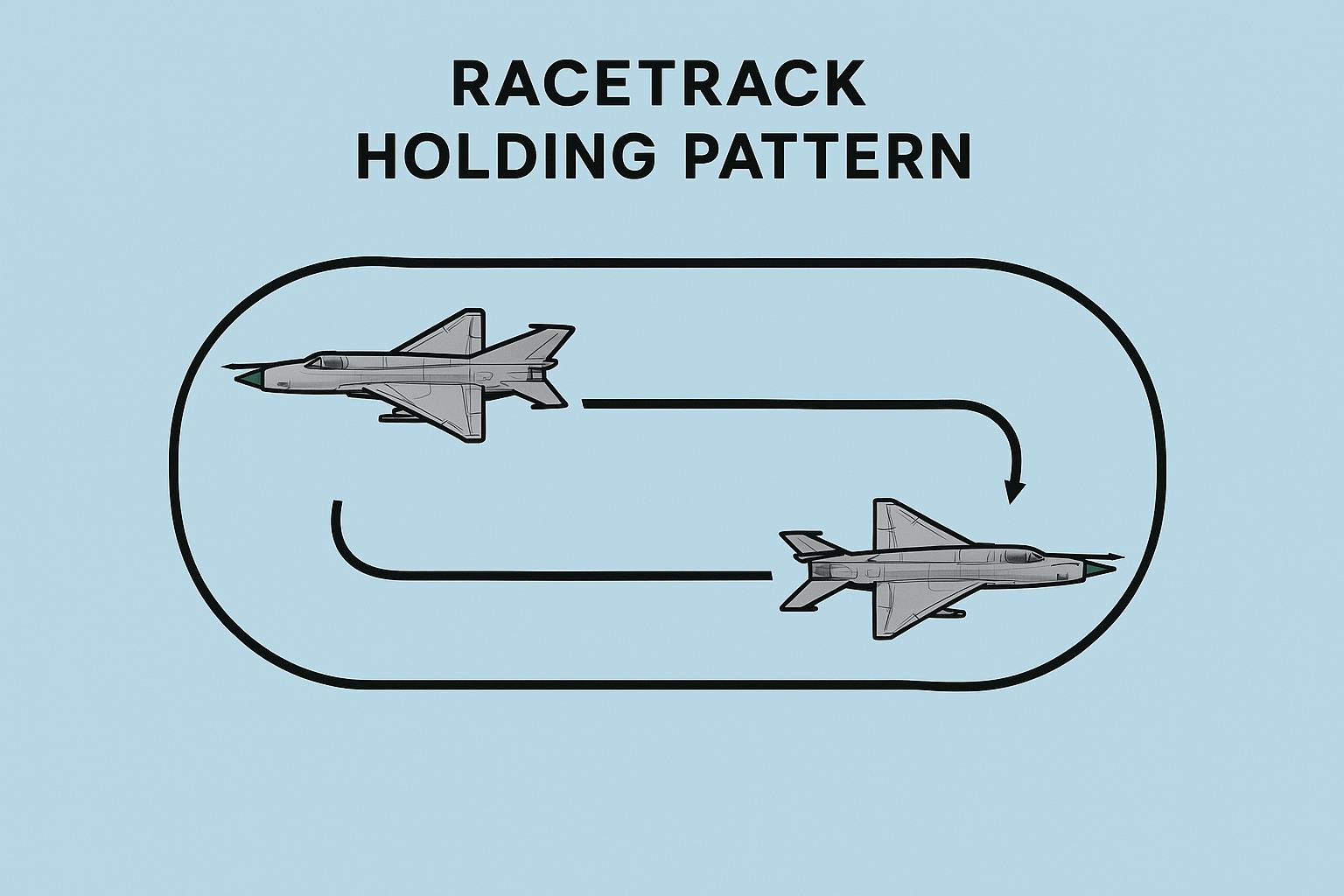
Image Credits: Shwetabh Singh (Co-Author)
Were there any tactics developed specifically for the MiG-23MF that are specific to that aircraft only?
The TP-23 IRST was an absolute boon to us! Very few guys admit that. Very few guys trained themselves enough to use it. It required a lot of switchology to move around in that cockpit. There was one switch here, one there, so you had to move around a bit. You really had to practice and practice, but it was a great system. What we did was we switched off our radars. If we were in a CAP, then we would not have had to switch on our radars. If I have no radar, nobody can see me, considering that if I ‘paint’ the enemy (detect them with the radar), they could determine the direction of my aircraft with their Radar Warning Receiver (RWR). So, without my radar on, they can’t detect me until I am very close to them, so I go on thermal. The TP-23 gives me a guaranteed 13 to 15 km of visibility, even if an enemy is flying at treetop level. I spot them at, let’s say, 13 to 15 km. We are now aware that these guys are coming from one direction. So, the formation would split up, and the wingman would cover the leader’s tail while the leader attacked the target.
TP-23 was the earliest IRST (InfraRed Search and Track) sensor that was standardised on Soviet fighter aircraft, possibly making it a first of its kind to be exported and operated globally, in large numbers. Deployed as a secondary backup sensor to the main radar of the aircraft, aiding and/or providing detection and tracking capabilities in electronically contested environments, it could provide situational awareness to pilots while also being a passive sensor and thus allowing the fighters to approach/track a target ‘silently.’ MiG-23s were the first Soviet fighters to be equipped with a chin-mounted IRST, in the form of TP-23 (introduced with the MiG-23M and MiG-23MF) and TP-23ML (introduced with the MiG-23ML).
TP-23 utilises mechanically rotating ceramic lenses to focus the incoming infrared light on a fixed single-element PbSe (lead selenide) photo-resistor. A full-frame scan, taking only about 0.6 seconds, is relayed back to the pilot, with the results displayed on the fighter’s HUD. The pilot could initiate tracking using the system by manually choosing a target, using a joystick, and locking it. The system’s performance, being a passive sensor by design, was greatly affected by environmental factors, weather conditions, flight characteristics, and other external factors; however, it could scan up to 30 km.[2] Quasi-ranging can be performed automatically by the radar firing very short pulses.
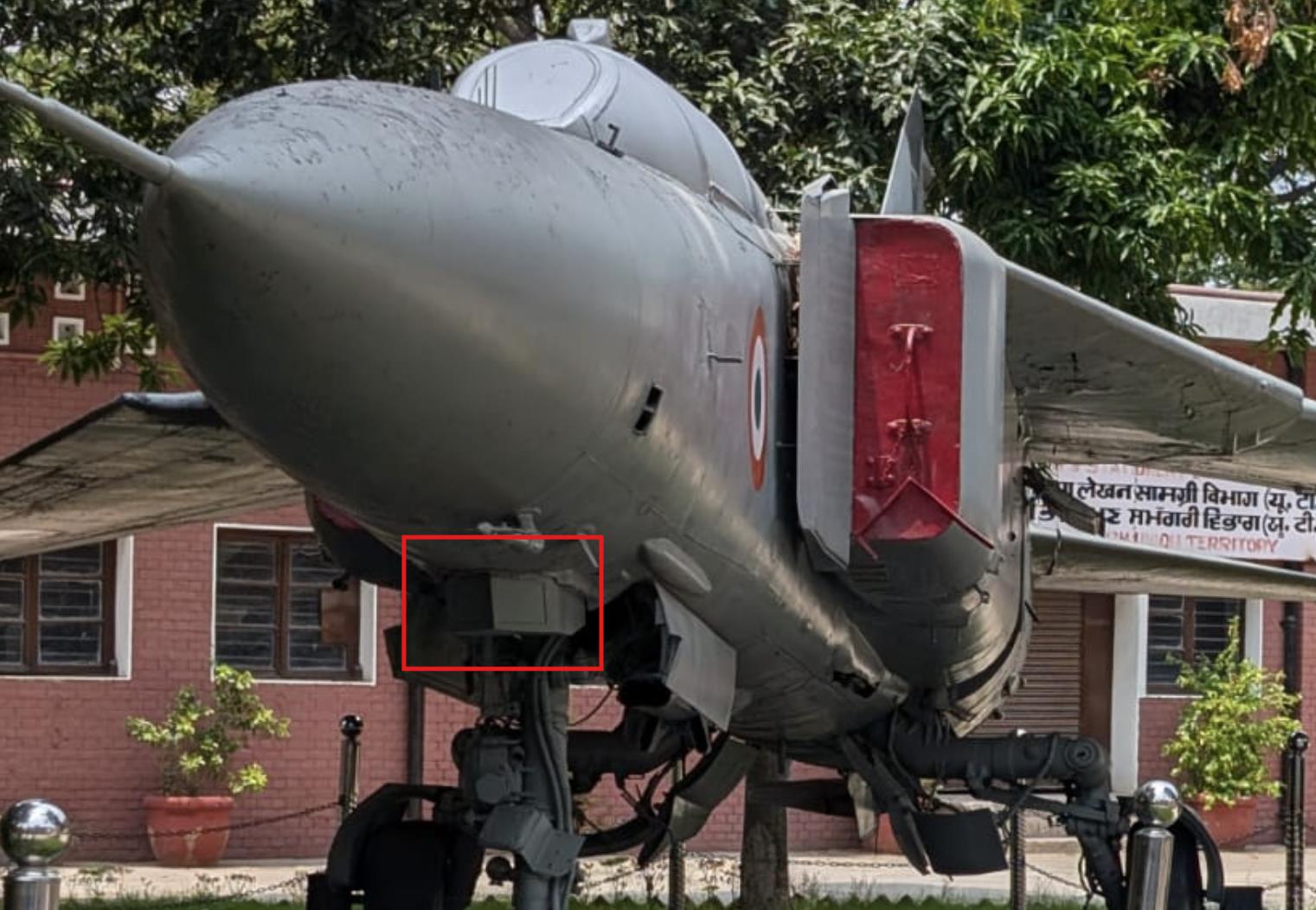
We devised something called a ‘Singleton CAP’ and a ‘Low-level CAP.’ A Singleton CAP meant that I didn’t have two aircraft symmetrically supporting each other. I can break this unit. The other pilot goes after one target. I go after the other. Each of us operates as a singleton, and after the mission, we rendezvous at a point and we recover together. We could fly at low level instead of say 3 km altitude, where I would be visible to Tom, Dick and Harry in the sky. The target aircraft may not see me. But there are radars capable of scanning long distances at that altitude. Pathankot is visible from Pakistan. So, we brought it down to 600 meters. We were the first guys to do a singleton 600-meter CAP. It was a completely unheard-of tactic.
Another tactic developed and practised by the MiG-23MF squadrons was the ‘Zoom Up Intercept,’ wherein the scrambling aircraft would not directly climb to the target’s flight level, but instead build up momentum at low altitude and then rapidly zoom up right below and behind the target. The Lookup mode of the radar helped in locating and tracking the target. The build-up of momentum was about Mach 0.9 (slightly slower than the speed of sound) and at about 300-600 feet AGL (Above Ground Level). The MiG-23MF in particular excelled at such rapid acceleration and zoom-climb, as it was (and still is?) considered as one of the most powerful single-engine aircraft ever built. Powered by a single Tumansky R-29-300 turbojet engine, it could generate 112.81 kilo newtons (25,360 lbf) of thrust with afterburner, which provided the MiG-23M with a top speed of Mach 1.9 (2,358 km/h) at an altitude of 13,000 m (42,650 ft).
The same tactic was also followed during nighttime. However, at night, we had the risk of ground collision, as we were flying at high speed over areas that were not heavily populated, meaning there was very little lighting on the ground. So, we have a radio altimeter where you set a pointer to indicate the altitude. When the radio altimeter crosses below that set height, the audio comes in (an audio warning). The autopilot kicks in and pitches the aircraft upward. This system is a part of the SAU-23A three-axis automatic flight control system/autopilot. It climbs to a certain height and levels the wings, maintaining that safe height thereon. After that, you recover and take over. When you’re performing such missions, it’s mostly with your wings fully swept back (72°) and flying at about 850 to 900 km/h. In that setting, the MiG-23MF is very sensitive to handling. Another crucial factor is the way how a Soviet control stick is designed. It has got two levels. The top portion has a set of smaller buttons, including the autopilot disable switch. So, when I push the stick beyond a certain limit, a small switch toggles the autopilot on/off temporarily. So, as long as I apply pressure on the stick (beyond the said threshold), the autopilot is disengaged, and once I bring it back within the usual threshold, the autopilot is toggled on. I had an incident once where the aircraft entered oscillations because of this on-off of the autopilot. With the head banging against the canopy. Finally, I did what a test pilot would do (although I was not a test pilot at that time) – I let go of the stick and allowed the autopilot to start the climb. Then, disconnect the autopilot or the LAU and take over control of the aircraft. So, for a moment I found myself in a very bad situation.
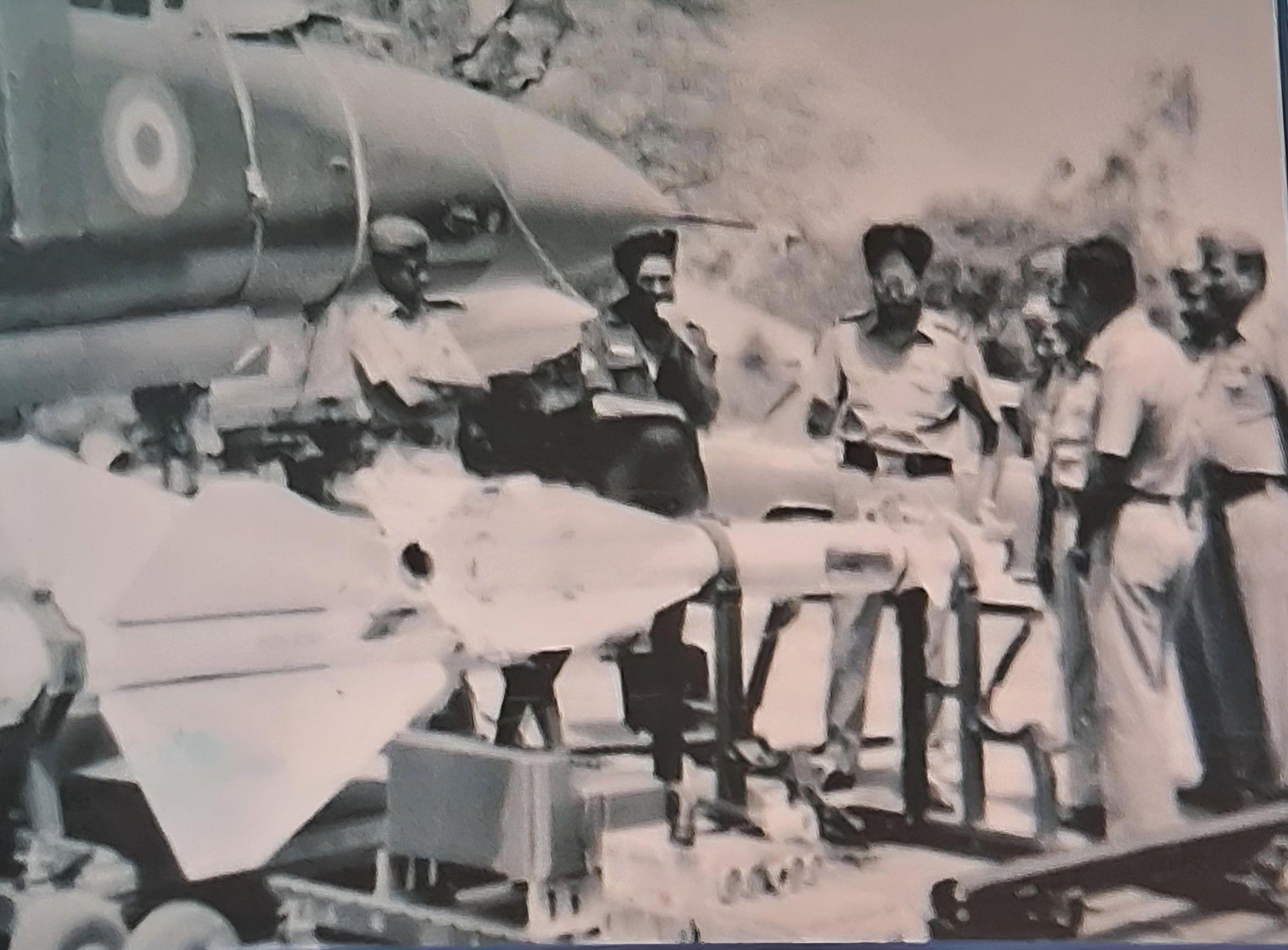
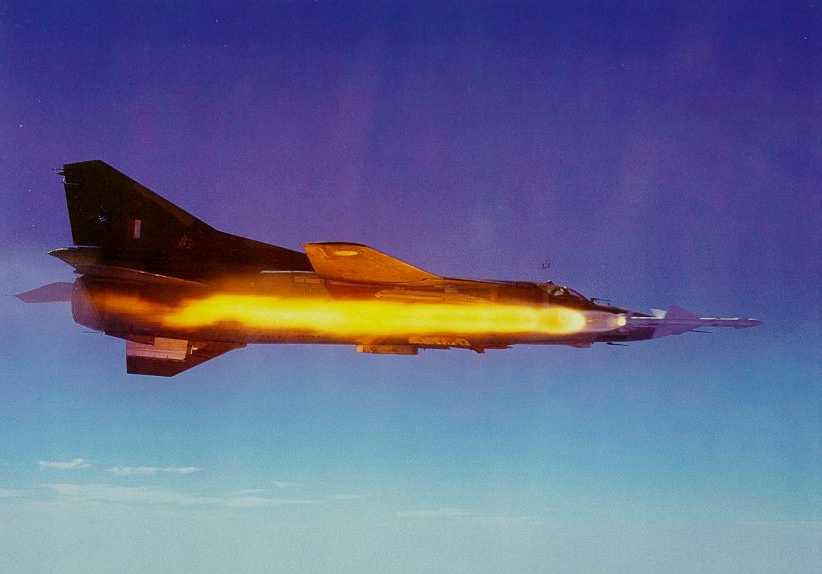
Could you tell us about the R-23R/T, which is the primary armament of the MiG-23MF? Is it true that they are only used for very specific occasions?
Loading an R-23T or R was a very strategic decision. It is not something which the squadron would be expected to do extempore. These were very heavy and potent missiles, and the decisions were also very well thought out. I am sure those missions would have been planned aeons back and kept in a cupboard somewhere (laughs). It does take time, about six hours’ time frame, to arm the MiG-23MF with an R-23. Even on the French missiles. For example, the BGL, which was the French version of LGB, which is a very complex device… It takes overnight to load it. And once loaded, once charged with coolant and all that nitrogen, they are so much more difficult to remove. So, for the R-23 R and T, yes, it took a while. However, most of the time it was the R-60 that was used.
Have you flown High Altitude Detachments from Leh? What was it like?
The MiG-23MF at that point in time had the most powerful engine, the most advanced radar, and the most agile handling at both low and high speeds. Whatever you wanted, it was there. But, when we went to the Siachen Glacier, we had to evolve our tactics accordingly. We had ideas of intercepting or engaging in air combat with the F-16s at that altitude, but we just could not follow conventional tactics, and we knew that he (any Pakistani pilot) would also struggle. Doing air combat between eight to nine km above sea level is no joke, even for the best of the airplanes and pilots alike. Most aircraft are designed to conduct air combat between three and five km above sea level. However, in a theatre like Siachen, the base height of the terrain itself is between three and five km, posing a challenge for both men and machines alike. We had to redefine how airplanes would dogfight, going vertical, going horizontal, using/conserving/trading-off your (aircraft’s potential energy with kinetic) energy. Those tactics that we would use in the deserts/plains/plateaus were not applicable here.
To begin with, the approach to landing at Leh itself was quite tricky. In most places, the run-up to the final approach would be clear, and you could visually acquire the runway from a distance. But when approaching Leh, you have to fly around a hill; as a result, you are unable to visually pick up the runway until you are actually on short finals. All these had to be pre-planned on your mission map. Furthermore, the rarefied atmosphere did not allow us to fly a rigid profile. Our capability to carry fuel and munitions was limited. If there was a sudden cloud cover on your flight path, you had to change plans on very short notice.
A Starfighter! But… Over Siachen?
Continuing to speak on Leh, Wing Commander Misra recollects a humorous incident that occurred during a one-month stint at Base Camp, Siachen:
… This happened at a time when tensions were still running high between India and Pakistan, especially over the Siachen Glacier. So, we had a protocol of putting one pilot on the ground (at Base Camp) to take care of CASEVAC (Casualty Evacuation) in case of an ejection. I got a chance to be there on December 31, 1985. I was there from the latter half of December 1985 through January 1986, when temperatures would drop 35 degrees below freezing point. So, while I was there… Two fighter controllers are normally positioned there. They have this Soviet SKP-9 vehicle, which is used by the air traffic controllers. It has all their gizmos, radios, etc. Their job was to control the Cheetahs flying to and from Leh/Siachen. So, the Cheetahs come from Thoise. From the morning until evening, they operate the base camp. In the evening, they go back to Thoise because they can undergo daily maintenance in Thoise. In the base camp, there was no parking space. Then the two ATC fighter controllers said, “Sir thoda sa ATC man karlo, Leh jaake aate hai” (Trans.: Could you man the ATC for us? We have to go to Leh). So those two guys cut to Leh, and I was manning. There was also an Army AD (Air Defence) regiment with their anti-aircraft guns. We, back in the squadron, had got a report that there was one airplane flying over the Nubra valley – A “Starfighter” had been sighted!
A Starfighter? This message, this ‘Intel-report’ had come through everybody all the way to the squadron level. Where and how did this report originate? Army AD had generated this report of the sighting. So, while I was there, I had to walk up to the Gun post and ask them about this sighting. “Straight, Short Wings, something at the tips of the wings. It had a single engine, and made a single, turning pass” So we were wondering… Firstly, where is the Starfighter? They do not fly anymore (The last of the PAF’s Starfighters were retired from service in 1972). Then why? Who would have the guts to fly a single aircraft in a valley inside an enemy’s territory? But it just came through. So, when I was there, I said I must go and investigate. So, I paid a visit to a very senior, decorated AD SM (Subedar Major), who was a decorated veteran of the 1965 and 1971 wars. After the initial pleasantries, I asked, “Sir, yeh report aaya tha humare paas Starfighter ka, kya tha?” (Trans.: Could you tell me what was all about this report on the Starfighter?) “Haan Saheb, humne dekha, idhar se gaya.” (Trans.: Yes sir! ‘We’ saw it zoom by) That incident got highlighted because Western Air Command’s Senior Air Staff Officer (SASO, WAC) was on ground (around that area) when it happened. So, I asked him how he identified the aircraft. He took me to a chart on his wall, and said, “Tent main laga hua hai abhi.” He pointed towards a diagram of the Starfighter and said, “Sir ye dekhiye, aise straight hai body, aisa wing chota chota tha, straight wing tha. Aur ye jo, tip main aise safed wale lage hue the” [Trans.: This chart was put up in our tent. As you can see here sir, it had a small and straight wing, and it also had this ‘white thing’ on its wingtips too (referring to the wingtip mounted drop tanks)]. I asked him, “Aur kitne jahaz they? Kuch Upar ya aage ya peeche?” (Trans.: Were there any other aircraft? Anything flying above it or slightly ahead or behind it?). “Nahi sir, sirf ek hi tha” (Trans.: No sir, there was only one). He was convinced there was only one aircraft. We later deduced that he had seen an F-16 and the F-16 had two wingtip-mounted missiles, which one can say, and if you have not seen a drop tank up-close, would mistake it for a missile/bomb or vice-versa… Very few people in India at that time had seen the F-16 close enough to distinguish it from the F-104 Starfighter!
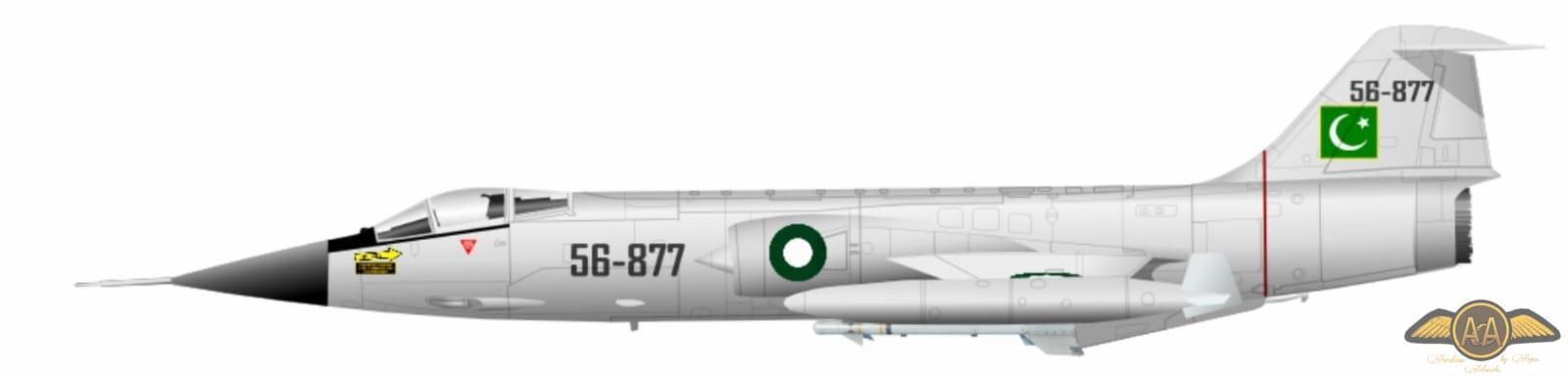
*The Starfighter had a very thin, trapezoidal wing with a very short span. However, when the wingtip stations were fitted out (with either a drop tank or 2x AIM-9B Sidewinder), the wings would seem to appear ‘Straight.’
Considering that the MiG-23MFs were in very limited numbers with the IAF, did we attempt to integrate any new weapon systems or components on them?
We all knew that the MiG-23MF just came in as a stopgap measure and it would be phased out sometime. There were talks of integrating the Matra R.550 Magic 1 Infrared Homing Missile on the MiG-23MF, but it dissipated over time. It is important to understand that we never had the outright capability to overhaul the MiG-23MF, unlike the MiG-23BN and the MiG-27. So, without that capability, two occurrences became common:
-
-
. The radar and avionics capabilities of the aircraft began to deteriorate due to a lack of overhaul. This meant that the very purpose for which the aircraft was purchased (Beyond Visual Range air combat) was lost.
-
. The engine was a clear indicator that this aeroplane is not going to live long. The engines were designed to run very hot. The life of the engine was very critical. And anytime the engine went through a heat cycle or experienced thermal stress, it was bound to fail very quickly. We had engines melting and falling off from the back side of the aircraft. In some severe cases, even the whole turbine would fall off because the engine cavity had melted. A ball of fire! We barely had three seconds to react to such instances.
-
Furthermore, minor issues also became persistent, such as the canopy decolourisation. Over time, it so happened that chemicals on the canopy perspex began to react with the atmosphere and UV light, leading to a dark-red/maroon tint that reduced visibility. That’s why very little to no integrations were carried out on the aircraft.
MiG-23MF:
The MiG-23MF was introduced into the Indian Air Force’s service as a response to an emergency. Fourty airframes of the type were ordered by the IAF as a stopgap measure to maintain its edge over the PAF’s acquisition of F-16s, until the intended response, the Mirage 2000 and the MiG-29B, arrived. Two squadrons were raised – No.223 Squadron ‘First Swing Wing Interceptors’ and No.224 Squadron ‘Warlords.’ Nicknamed the ‘Rakshak’ (Guardian), it played a crucial role during the prolonged standoff between India and Pakistan in the 1980s, providing Air Defence over the Himalayas, the plains of Punjab, and the scorching deserts of Rajasthan and Gujarat. However, with No. 223 Squadron converting to the MiG-29B with effect from January 1, 1990, the Warlords became the sole operator of the aircraft. With over 34 airframes, they were rotated between 11 BRD (Nashik) and the squadron for the remainder of their service life.
Despite the Mirage 2000 and MiG-29 entering service, the MiG-23MF was still relevant well into the mid-1990s. The squadron flew active Air Defence Detachments and ORPs across the Northern part of India. Perhaps the aircraft’s zenith came with the landing at Thoise on October 28, 1995. However, becoming the only squadron to operate this type also brought in a host of problems – there was a shortage of experienced pilots to continue the saga of the Rakshak. Furthermore, the aircraft began to show its age as its radar started to lose its capability, thereby leading to its ‘fangs’ losing their venom. With the radar not being overhauled, the Rakshak lost its ability to fire the R-23R (NATO reporting name AA-7 Apex), the very reason for which it was procured. The airframes were reaching the end of their lifespan one by one. Minor issues, such as canopy pigmentation, became rampant.
Nonetheless, the aircraft continued to serve in the IAF’s service. It was through the efforts of 11 BRD and the skilled management of the officers and airmen in the squadron that the aircraft remained airworthy. Apart from still retaining its duties of Air Defence (albeit with the R-60 missile), the fleet received a new purpose in life, being assigned the role of ‘Banner Target Towing,’ a role it was never meant to undertake. The men and machines of the squadron continued to pursue this role with great diligence.
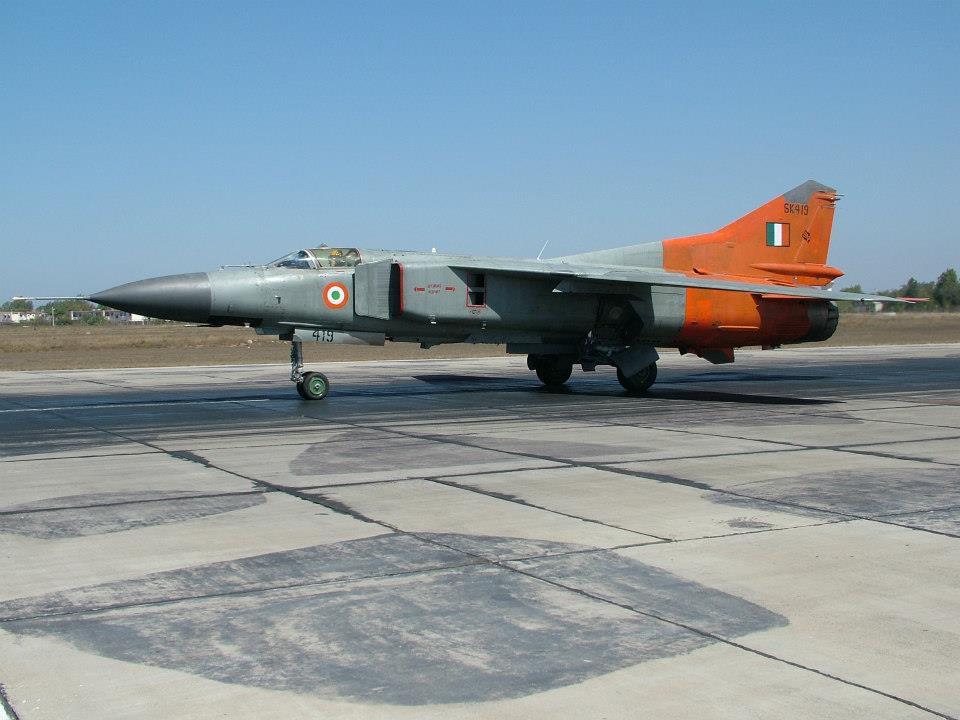
The Rakshak was back in combat duties once again, protecting the motherland on two notable occasions: the Kargil Conflict in 1999 and Operation Parakram in 2002. During the Kargil Conflict, the squadron conducted detachments across the Kutch-Saurashtra region, providing Air Defence cover. In Operation Parakram, the squadron carried out round-the-clock Air Defence and was assigned secondary ground attack duties. Despite its age, the squadron and its crew performed to the best of their abilities during the various command-level exercises.
As everything that comes has to go someday, the MiG-23MF also had to leave service. The skies over Jamnagar, that once reverberated with the roar of the R-29-300 engines, fell silent, as the last of the Rakshaks spooled down, once and for all on March 31, 2007, as the IAF paid this unsung workhorse adieu.
*****
CLICK TO VIEW THE PDF
Notes:
[1] Kuboid (@Kubojd), “Let’s go over the technical specifics and integration of the TP-23, as found on the MiG-23M and MF…,” X (formerly Twitter), March 11, 2025, 10:06 pm., https://x.com/Kubojd/status/1899499647791407121.
[2] The Tigershark Post, “‘Foxhound for the IAF’- Busting the Myth Bubble,” Medium, (June 12, 2024), https://medium.com/@arjuniyer3102/foxhounds-for-the-iaf-busting-the-myth-bubble-131ead90d160. Accessed on August 25, 2025.